Reimagining Our Approach to Maximize Impact in Rural Honduras
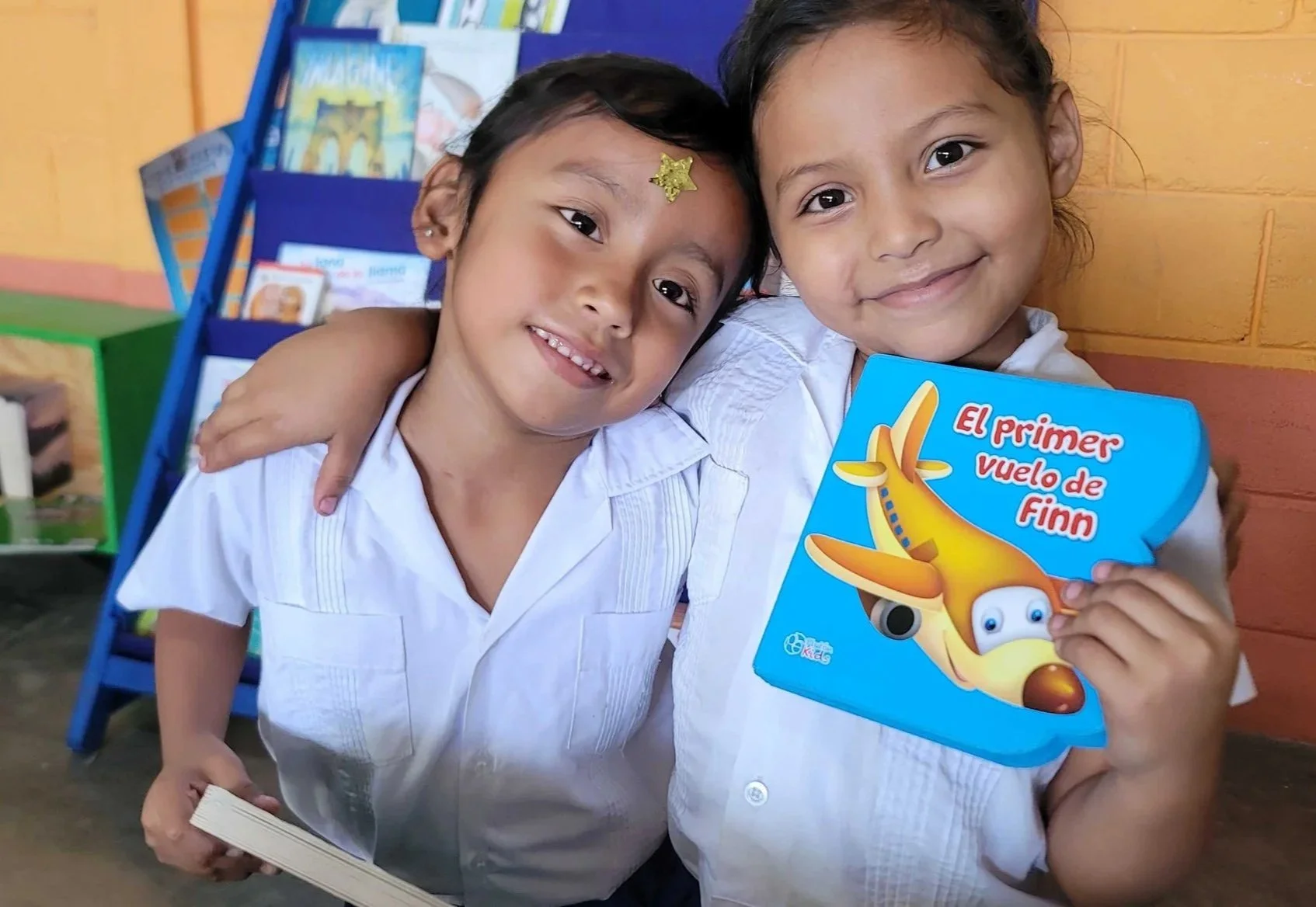
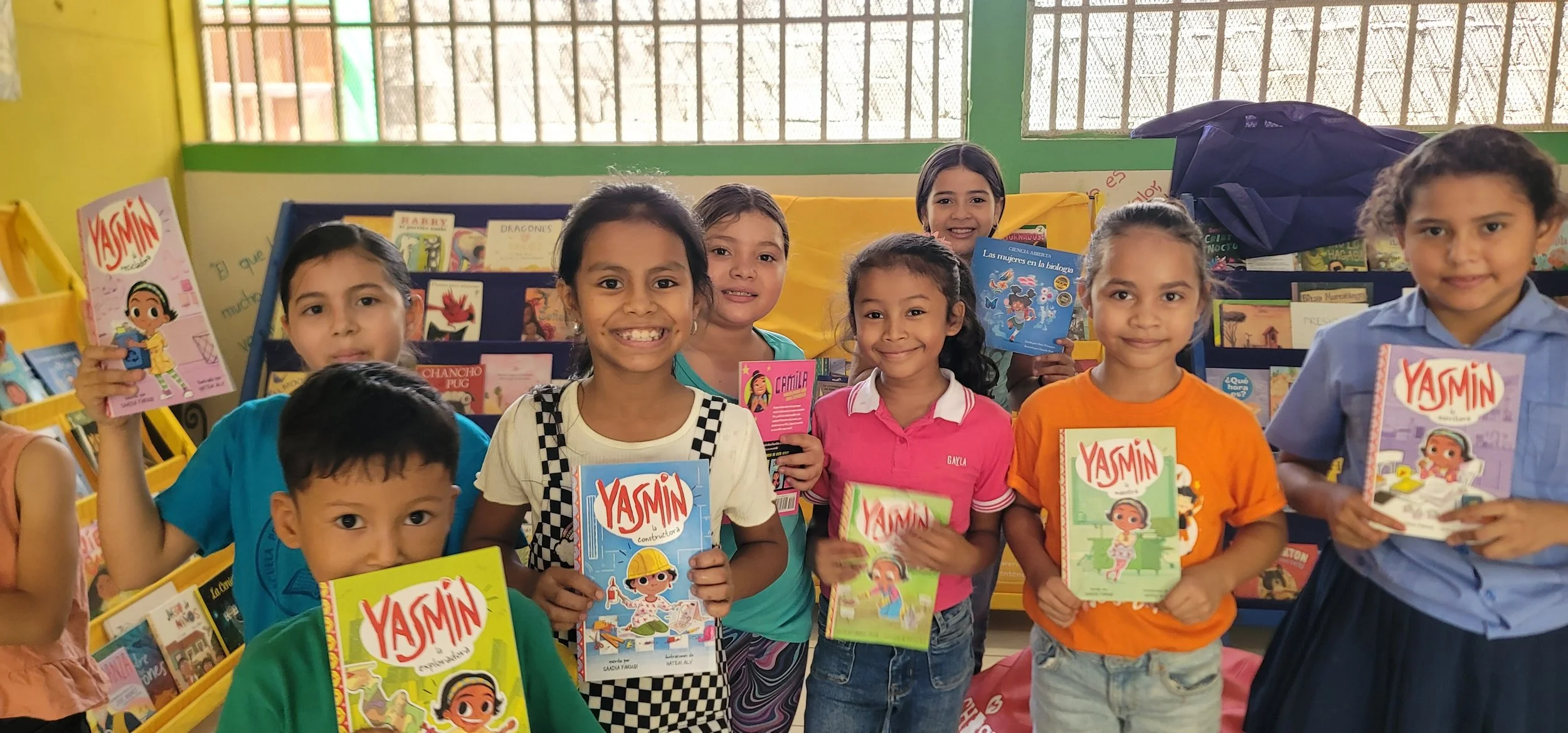
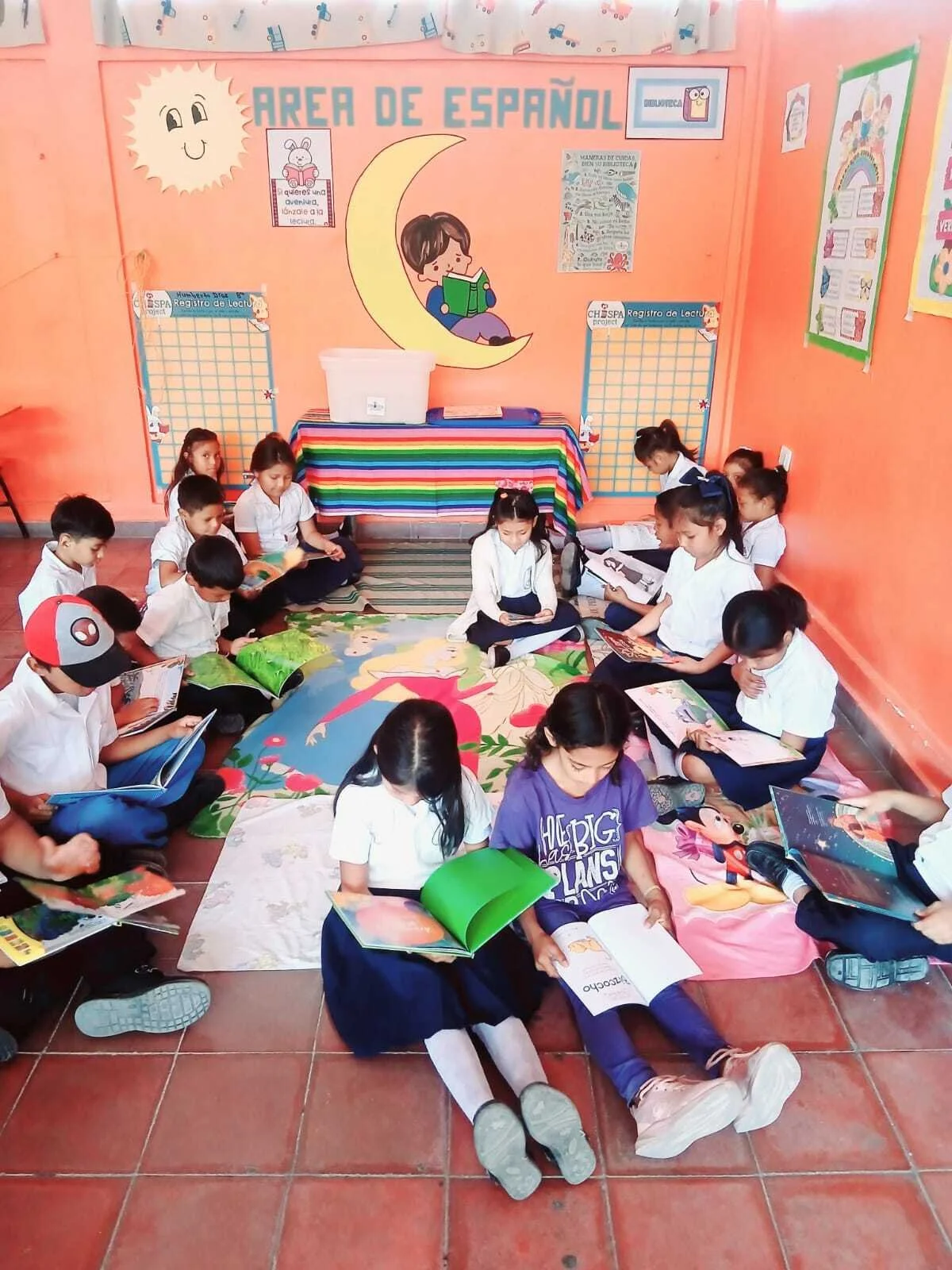
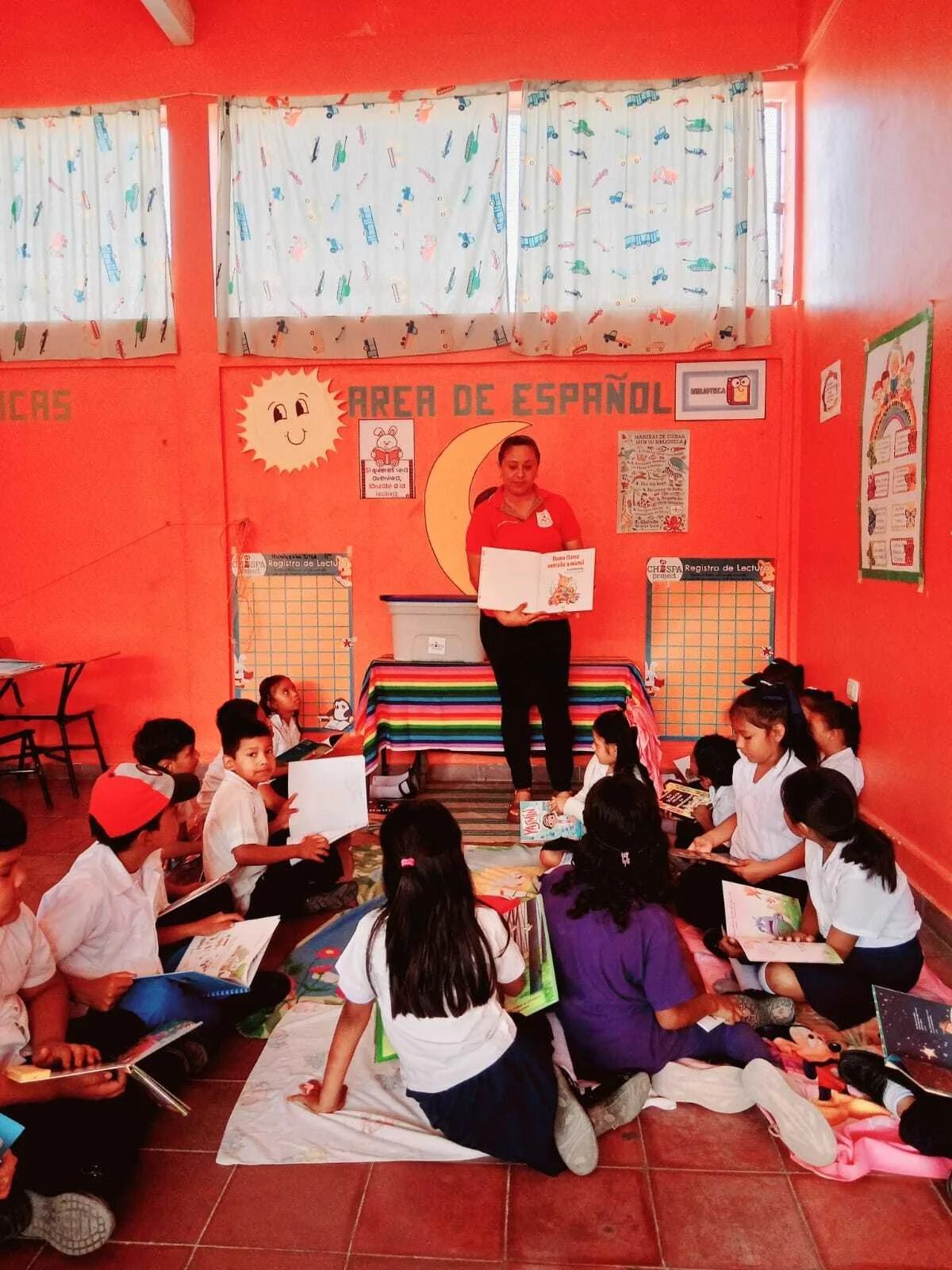
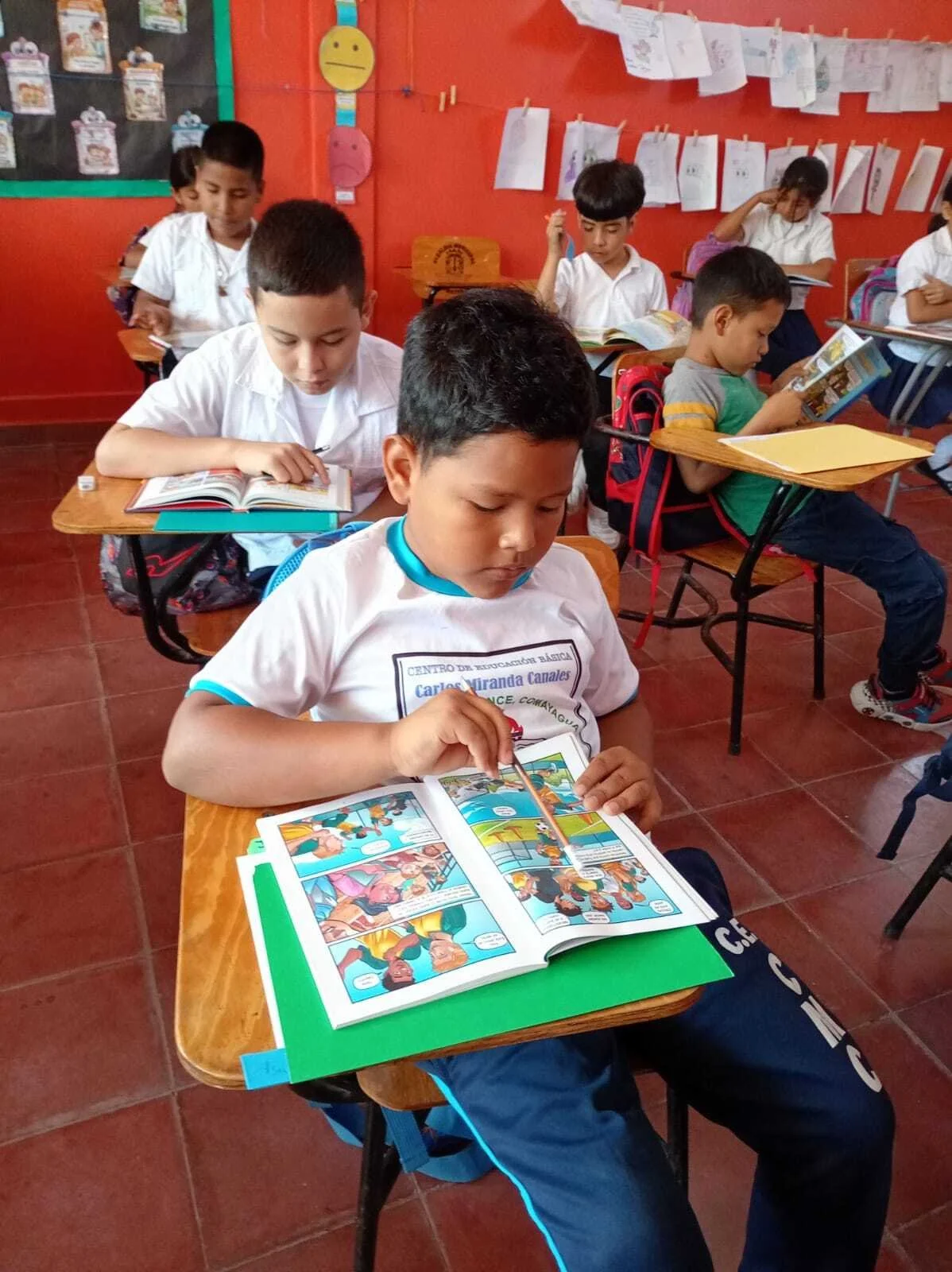
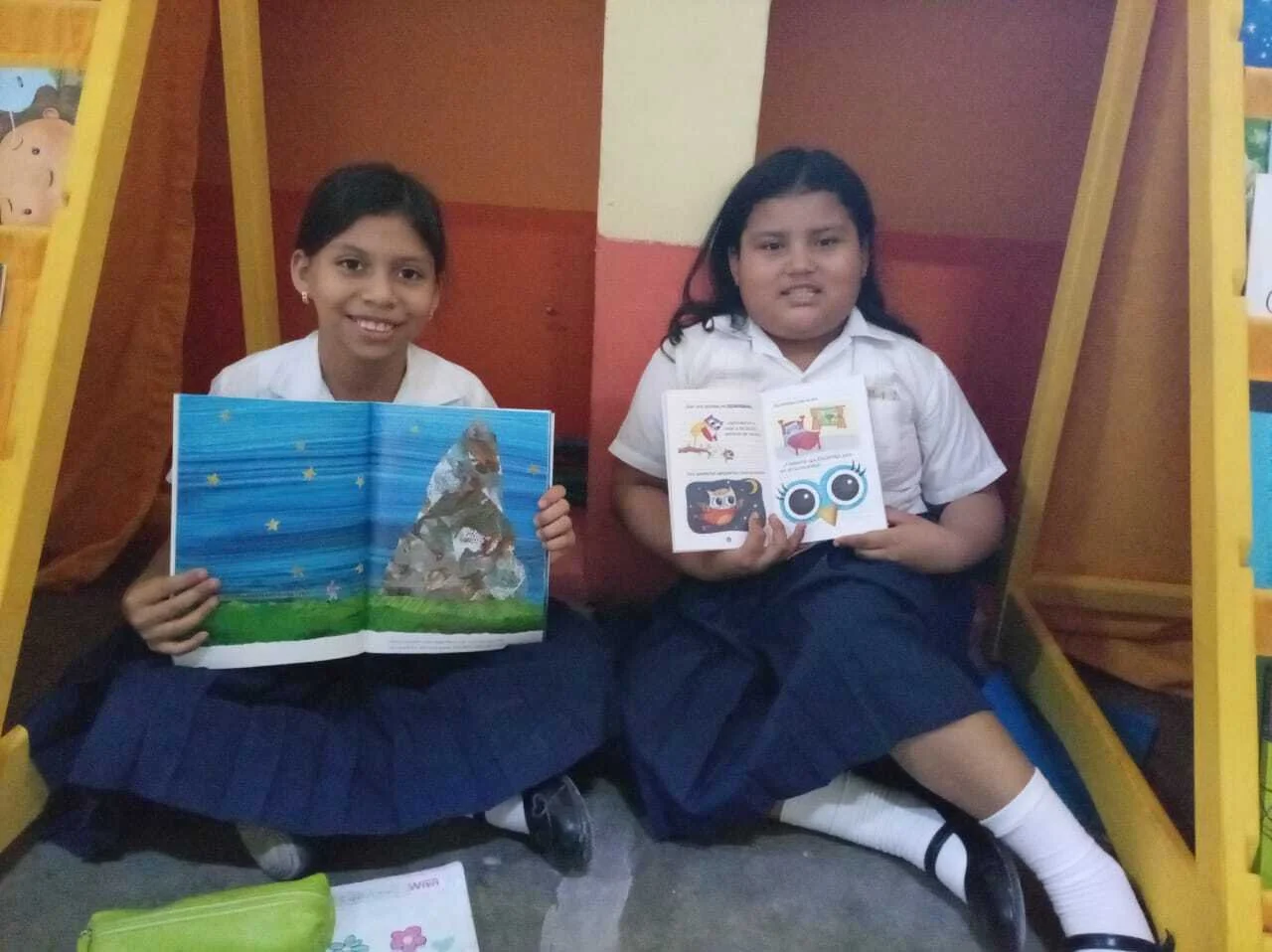
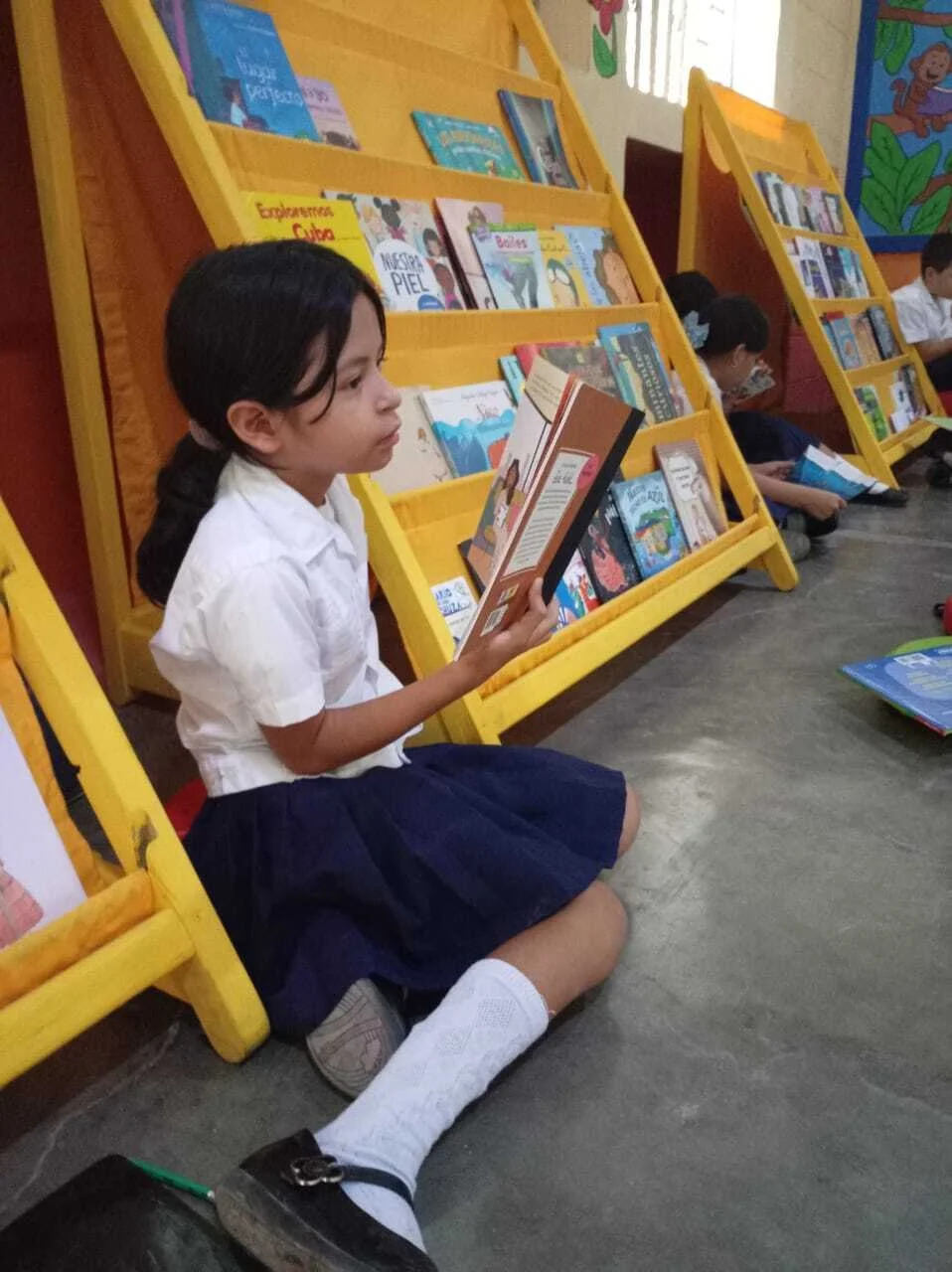
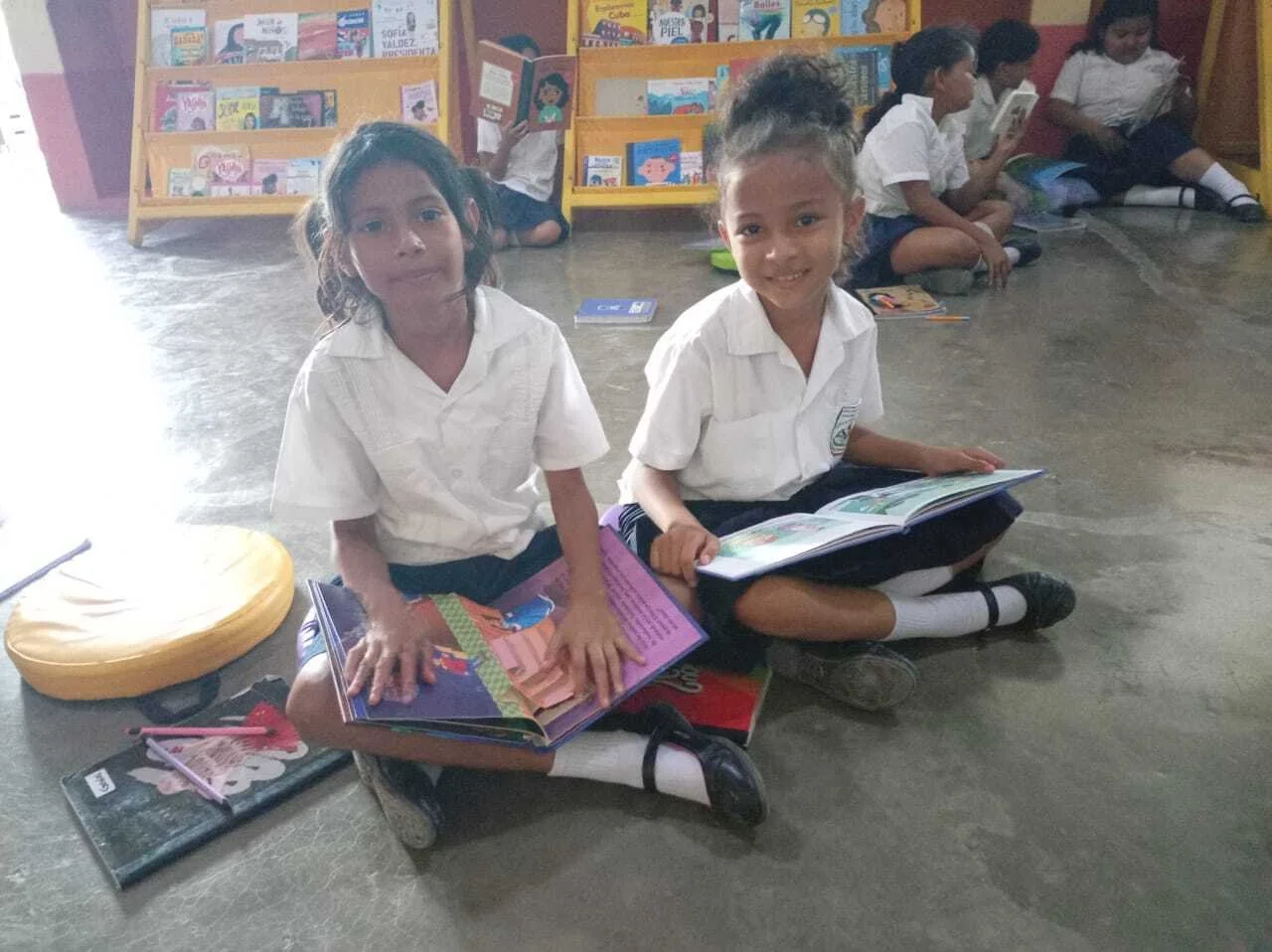
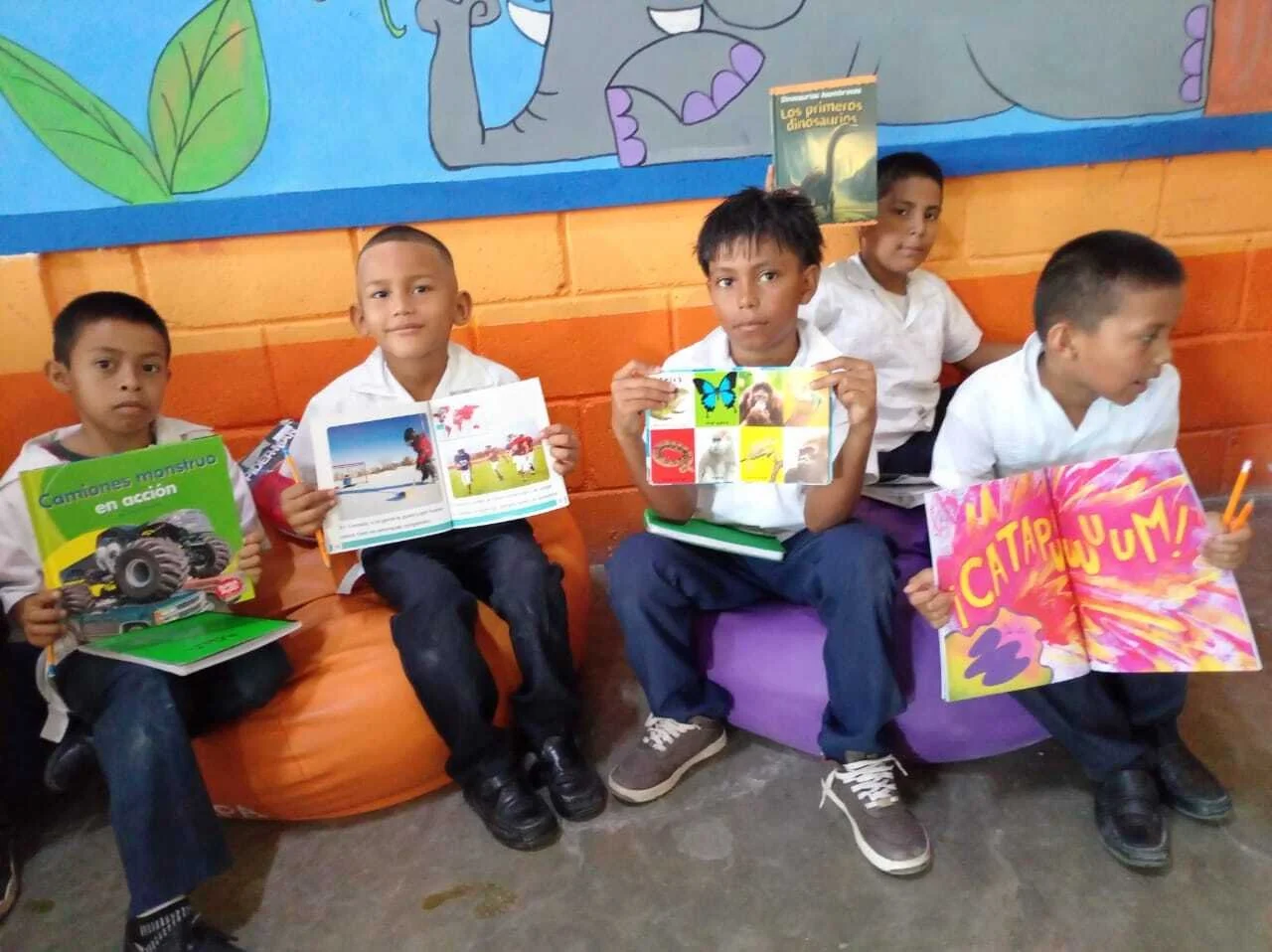
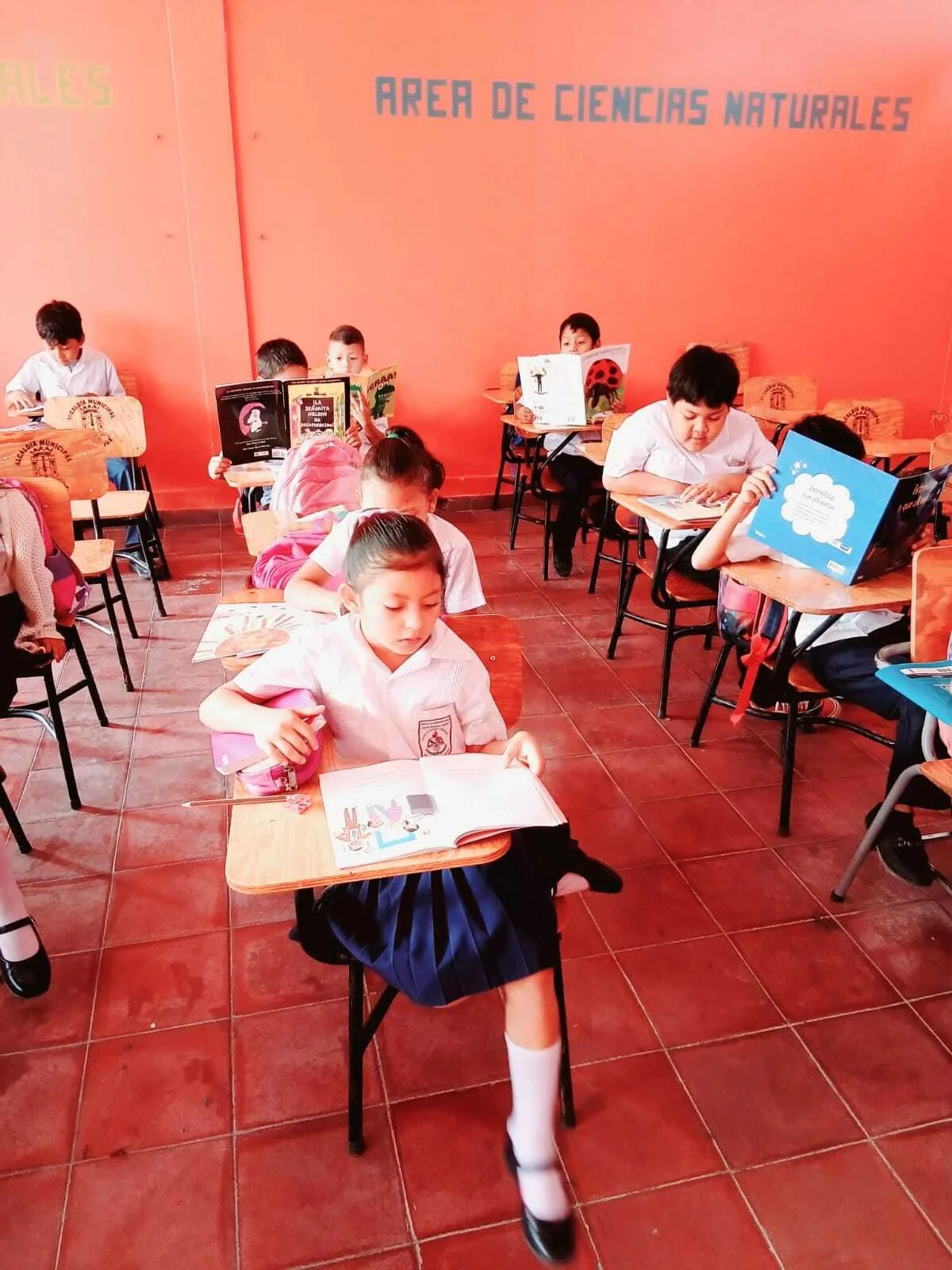
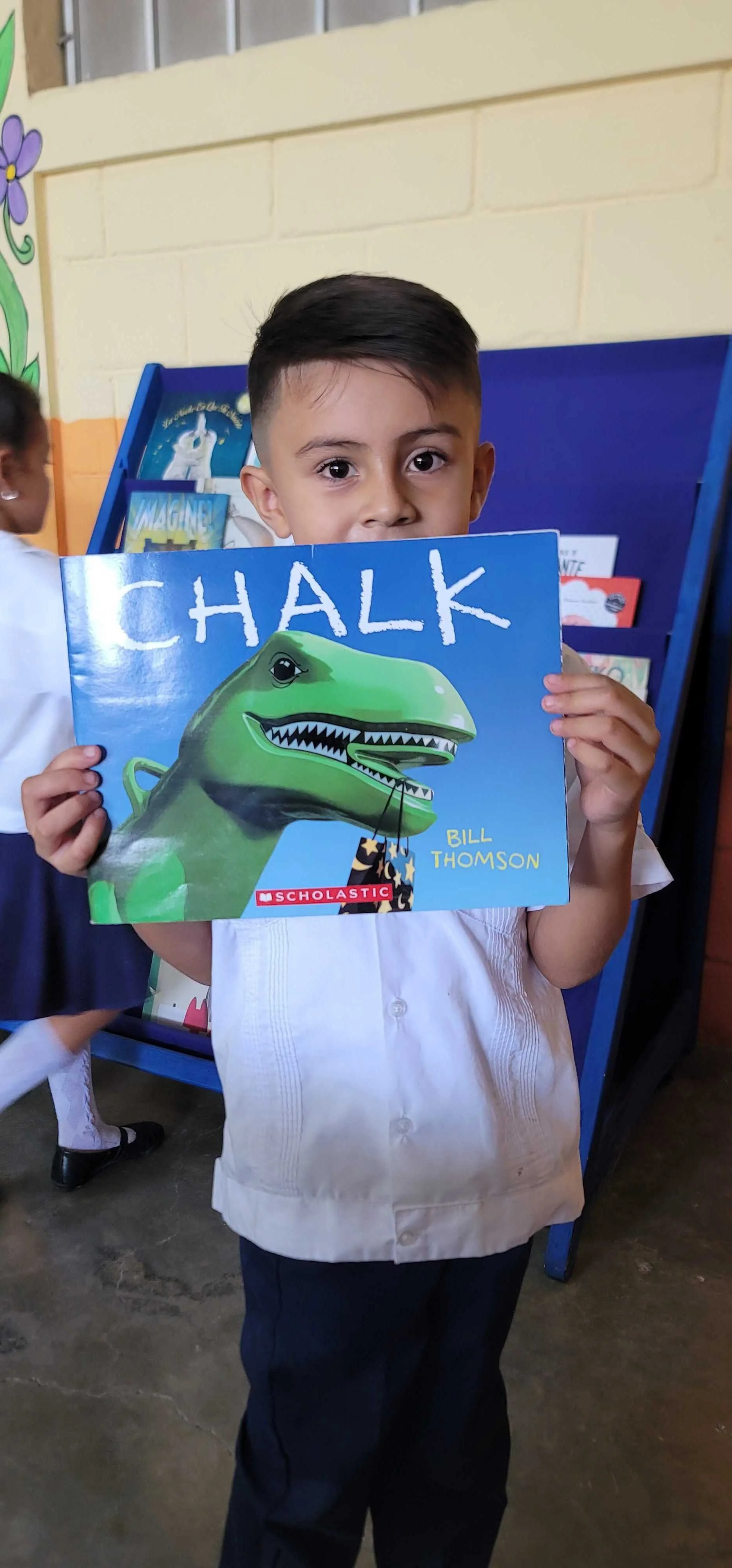
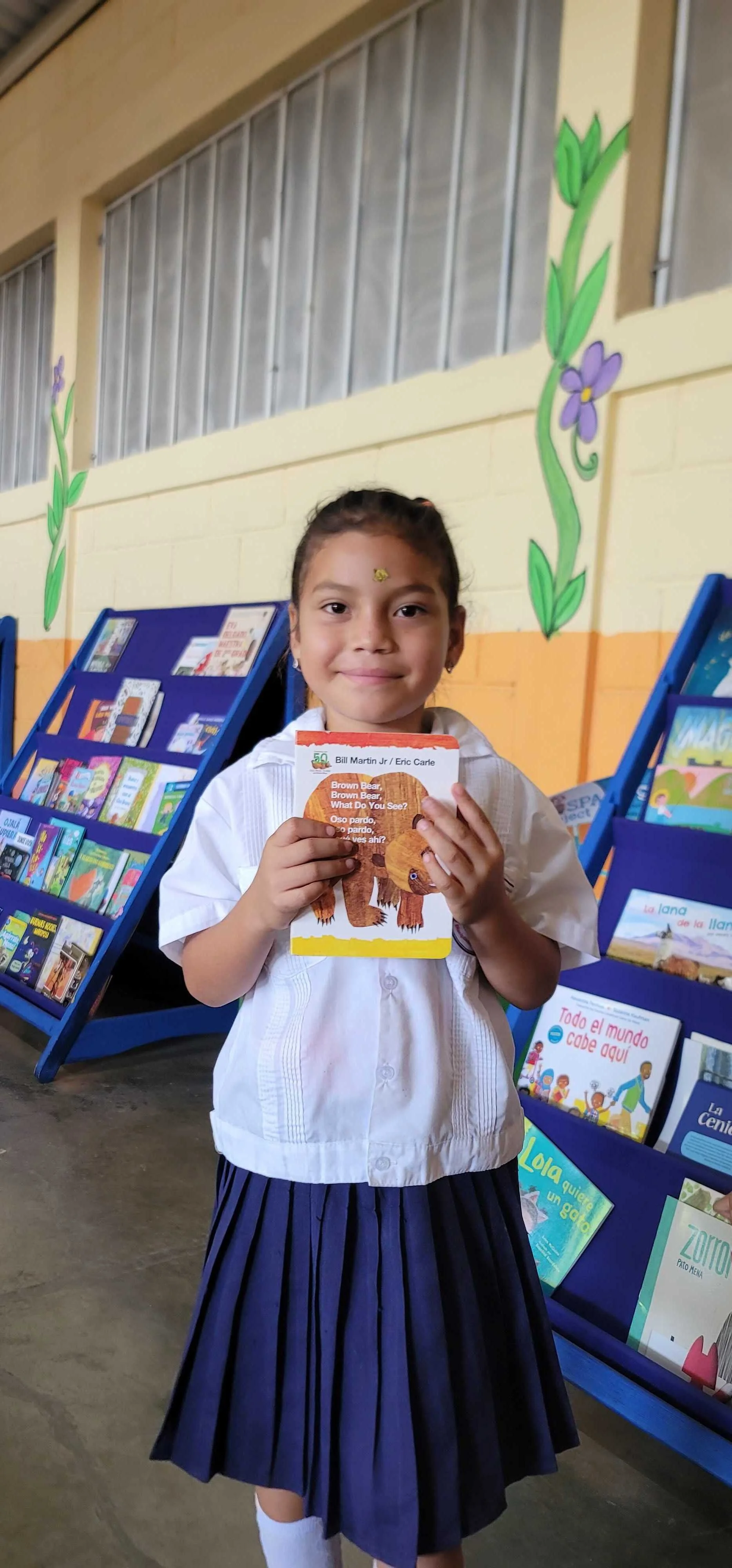
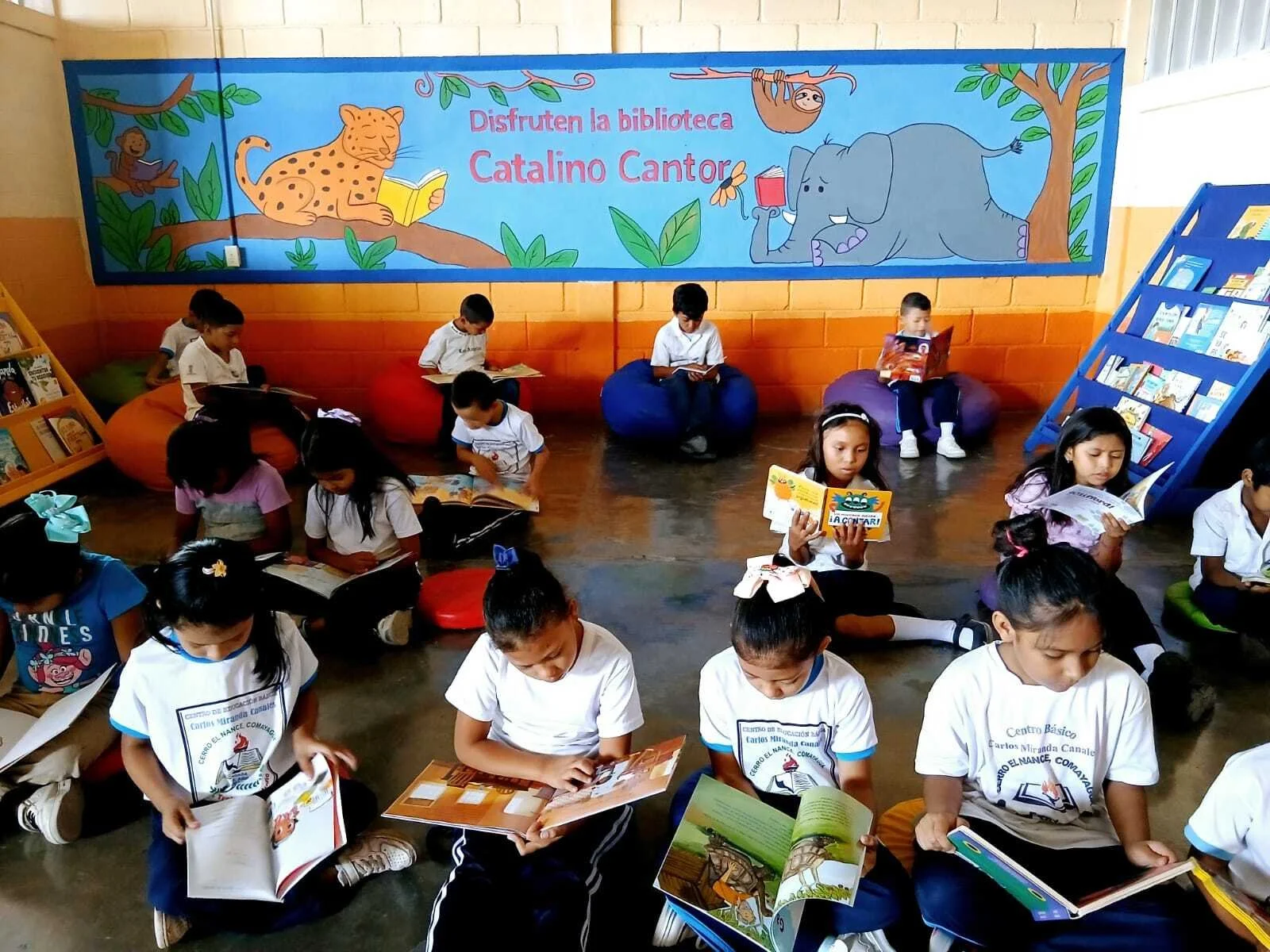
In just one week this March, 760 children in rural Honduras gained access to books, libraries, and spaces to read—many for the first time. Chispa Project co-created libraries in 3 schools and reading corners in 2 kindergartens, delivered more than 1,670 books, and trained 34 teachers across the Comayagua region.
But this week was about more than what we accomplished, it was about how we accomplished it.
Because of more consistent and increased funding like our annual, long-term support from FOCUS, we’re now able to plan our work more intentionally than ever before. In the past, we focused on larger schools to maximize a single project. Now, with stronger funding, we pre-select clusters of schools within the same region in an approach that focuses on maximizing resources, increasing efficiency, and expanding impact in rural areas.
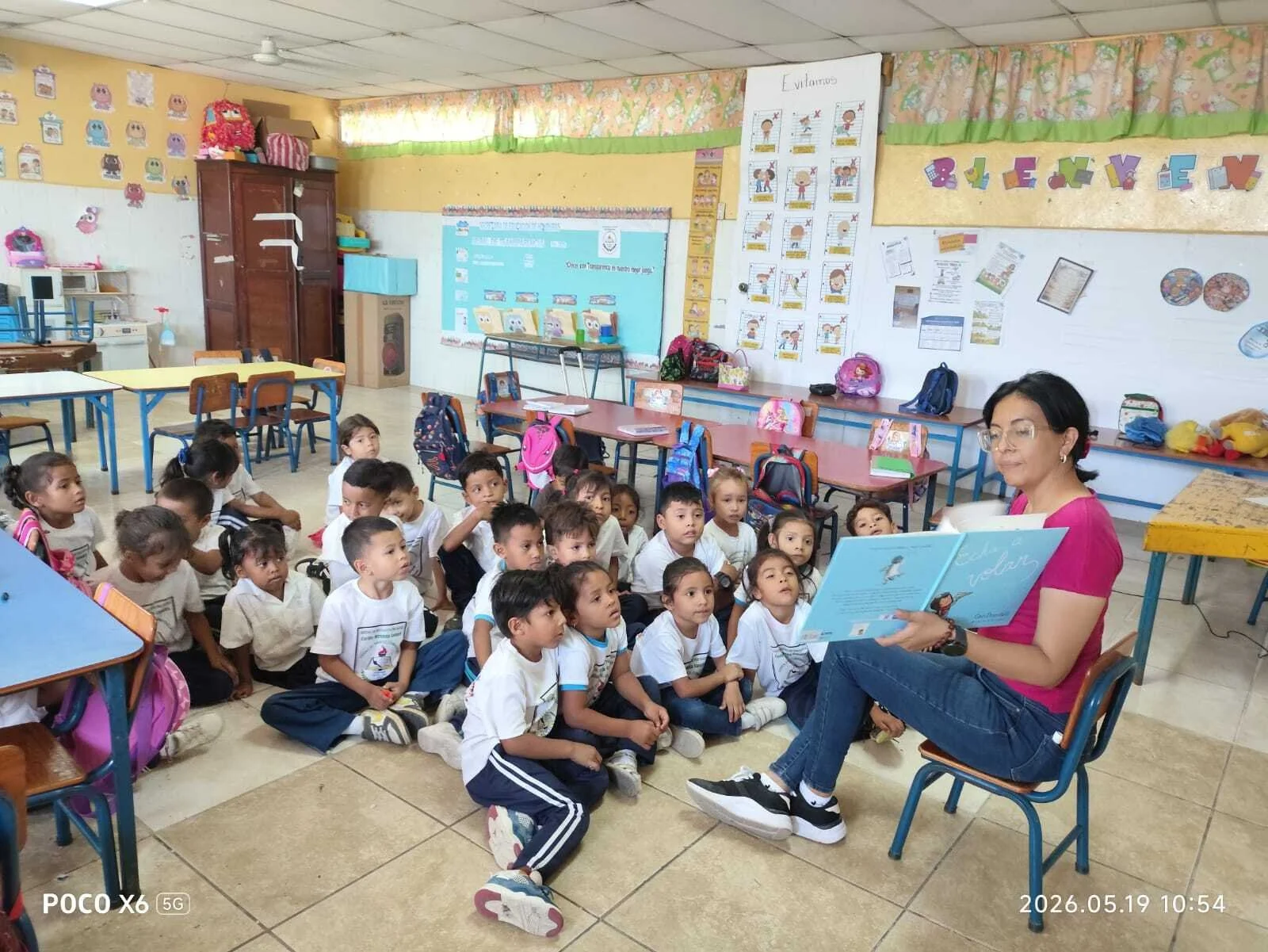
Another key part of this approach is the intentional inclusion of kindergartens. While some are connected to primary schools, they often operate independently—without shared teachers, spaces, or resources. By proactively identifying and reaching these classrooms, we are ensuring that reading begins at the stage when it has the most profound impact on children’s development.
Beyond the numbers, the early impact of this project is already visible in meaningful moments:
A kindergarten teacher who once relied on half-page stories printed on paper now has access to illustrated books that help bring stories to life.
Students read alongside their parents and volunteers, building connections through shared reading experiences.
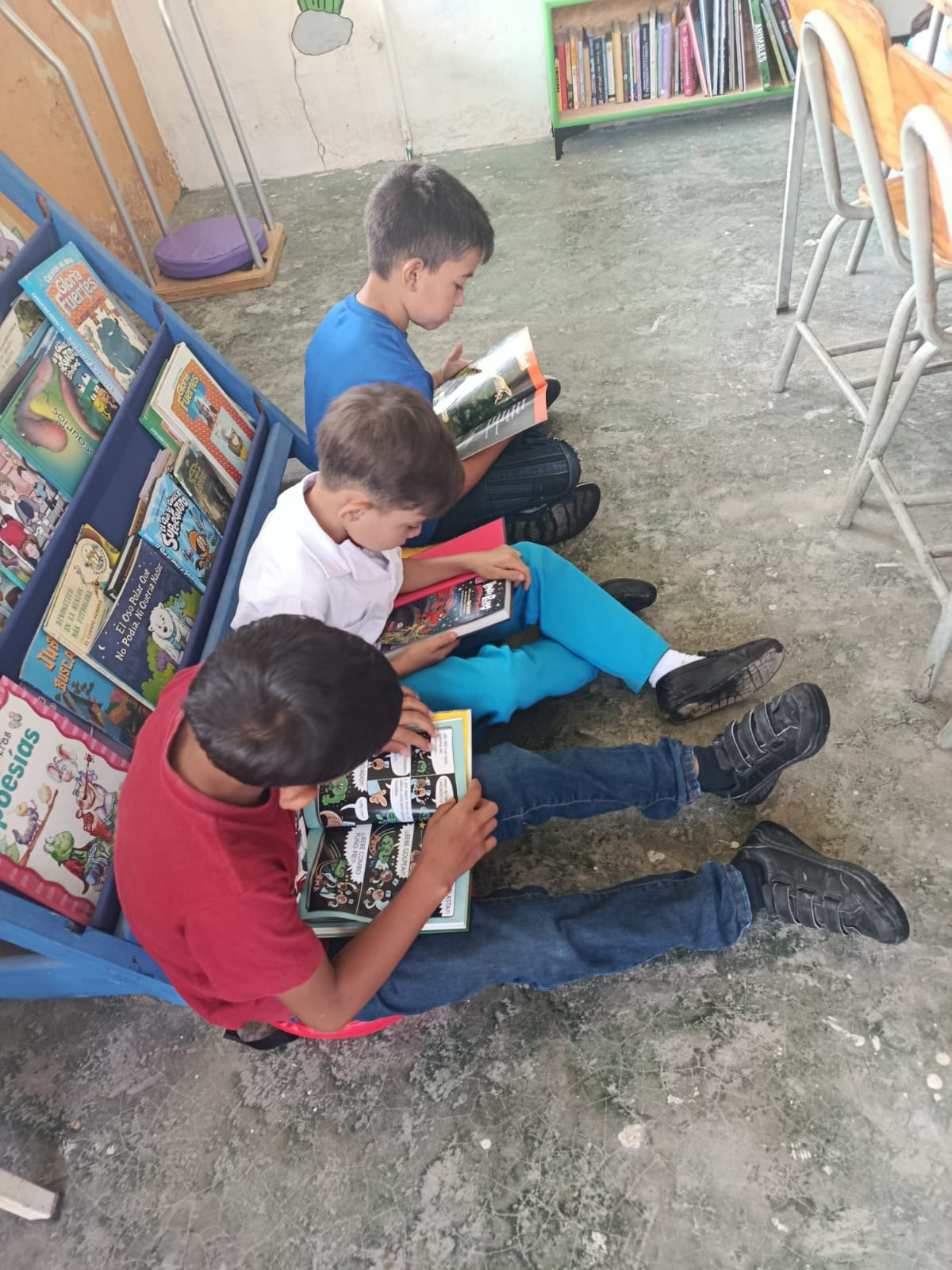
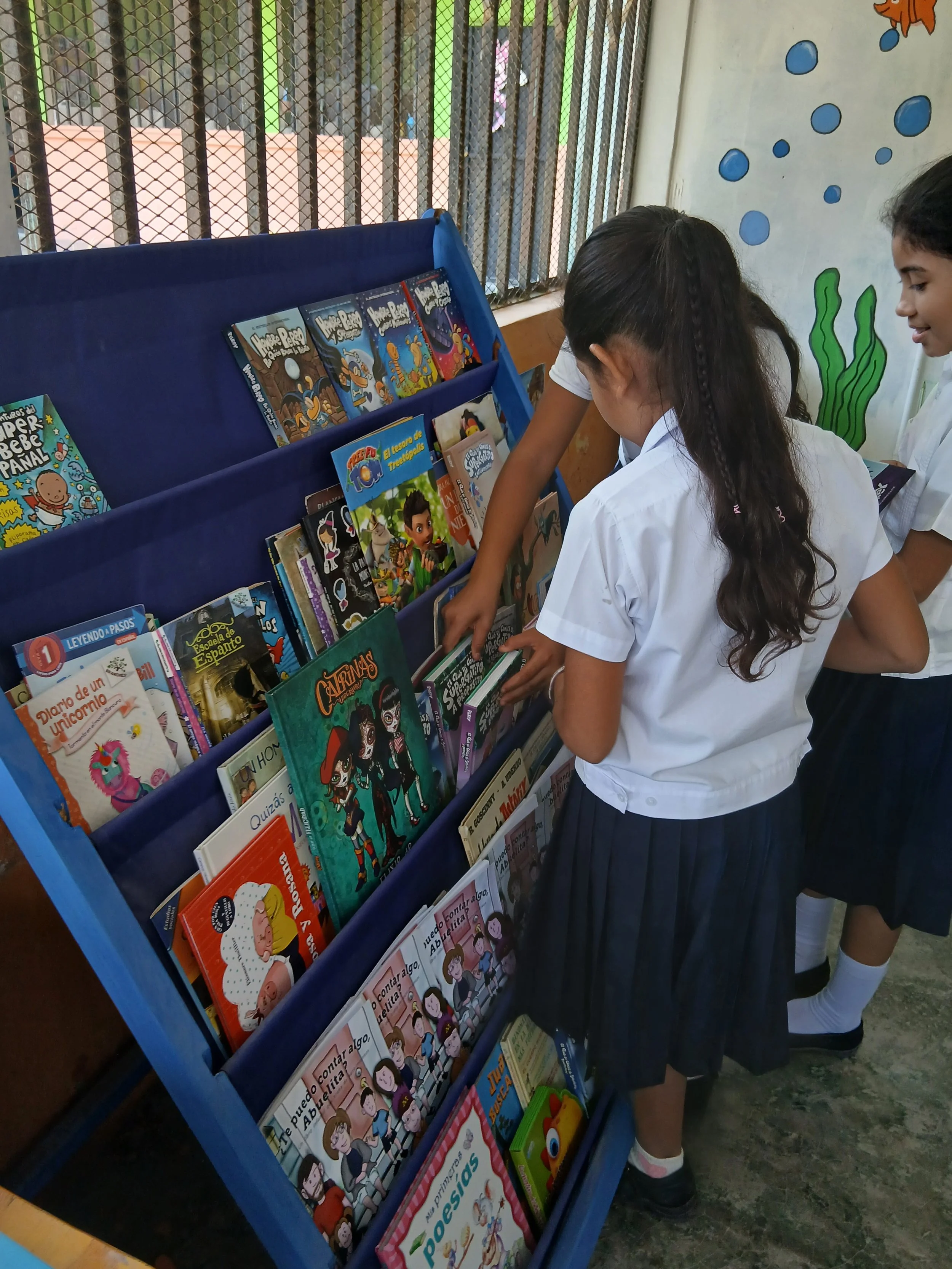
Across grade levels, children are now exchanging books, spending recess in the library, and discovering both stories they’ve long wanted to read, from Harry Potter to Captain Underpants and Dog Man, and new stories that pique their curiosity.
At the smallest and most rural school, a teacher responsible for both 3rd and 4th grade has already asked how to expand their collection, an early sign of ownership and long-term sustainability.
These moments reflect a shift in mindset; simply having access to books and the training to use them is transforming how educational communities engage with reading and envision possibility.
Looking ahead, we will continue building on this model. In April 2026, we plan to use a similar network-based approach to reach 13 more rural schools and kindergartens up to two hours to the west of Comayagua.