Reading Networks: Creating Access and Maximizing Impact Where Books Are Scarce
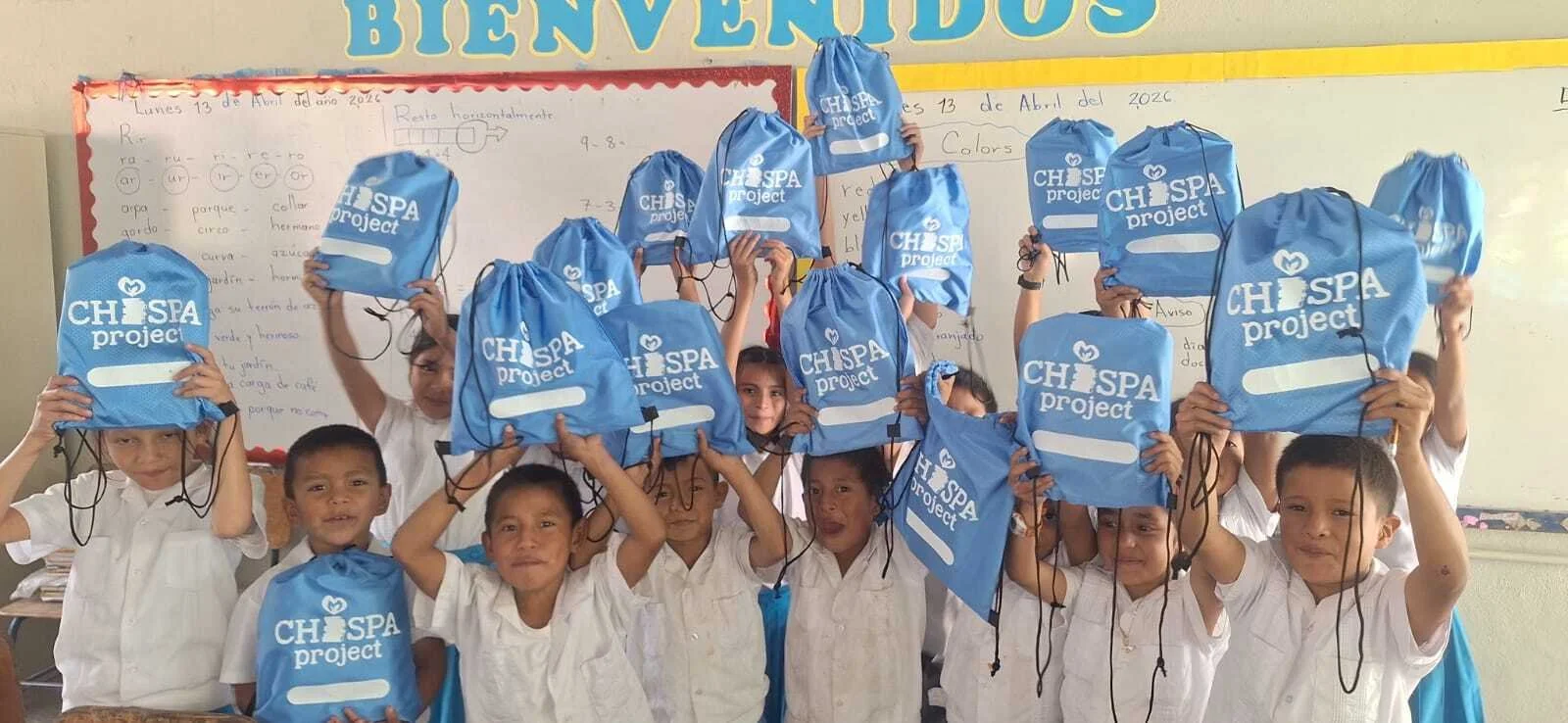
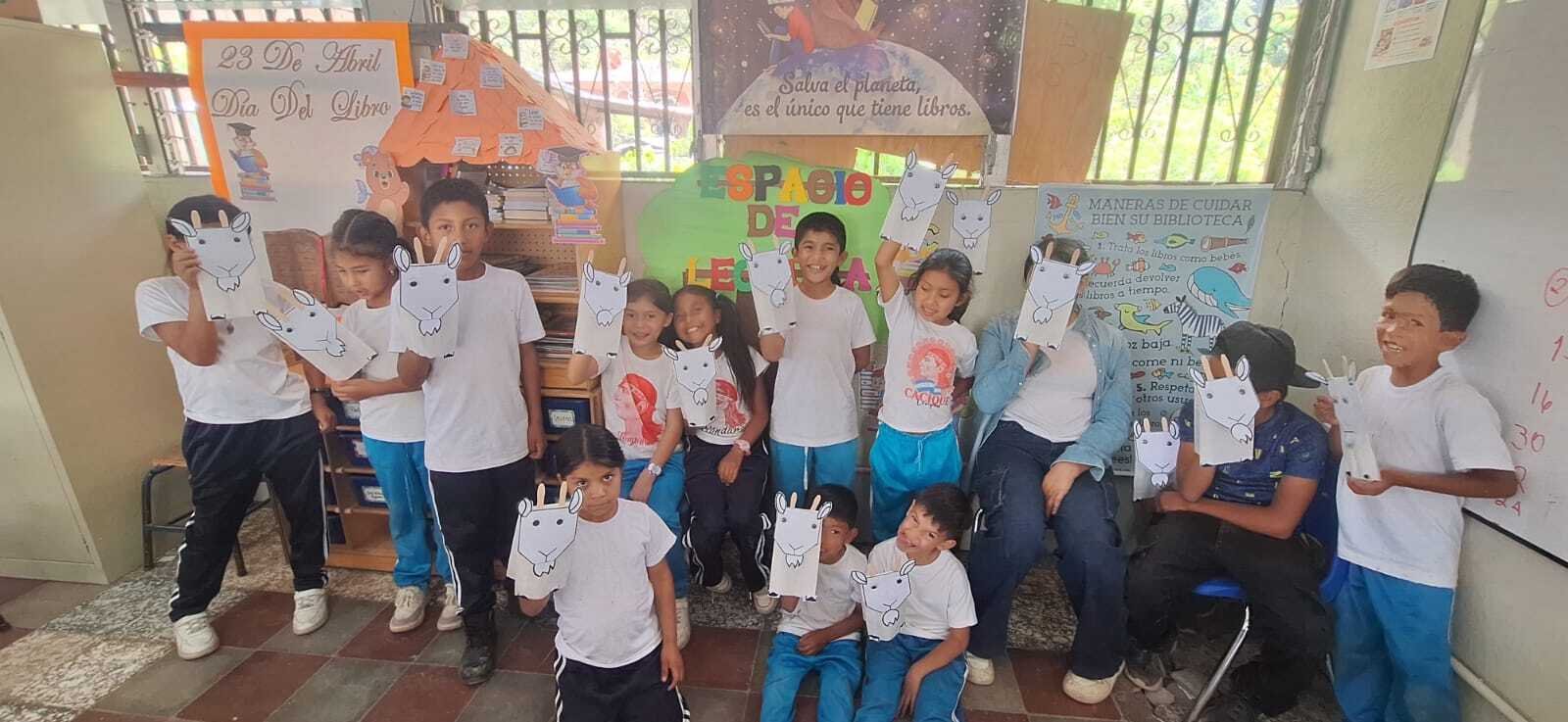
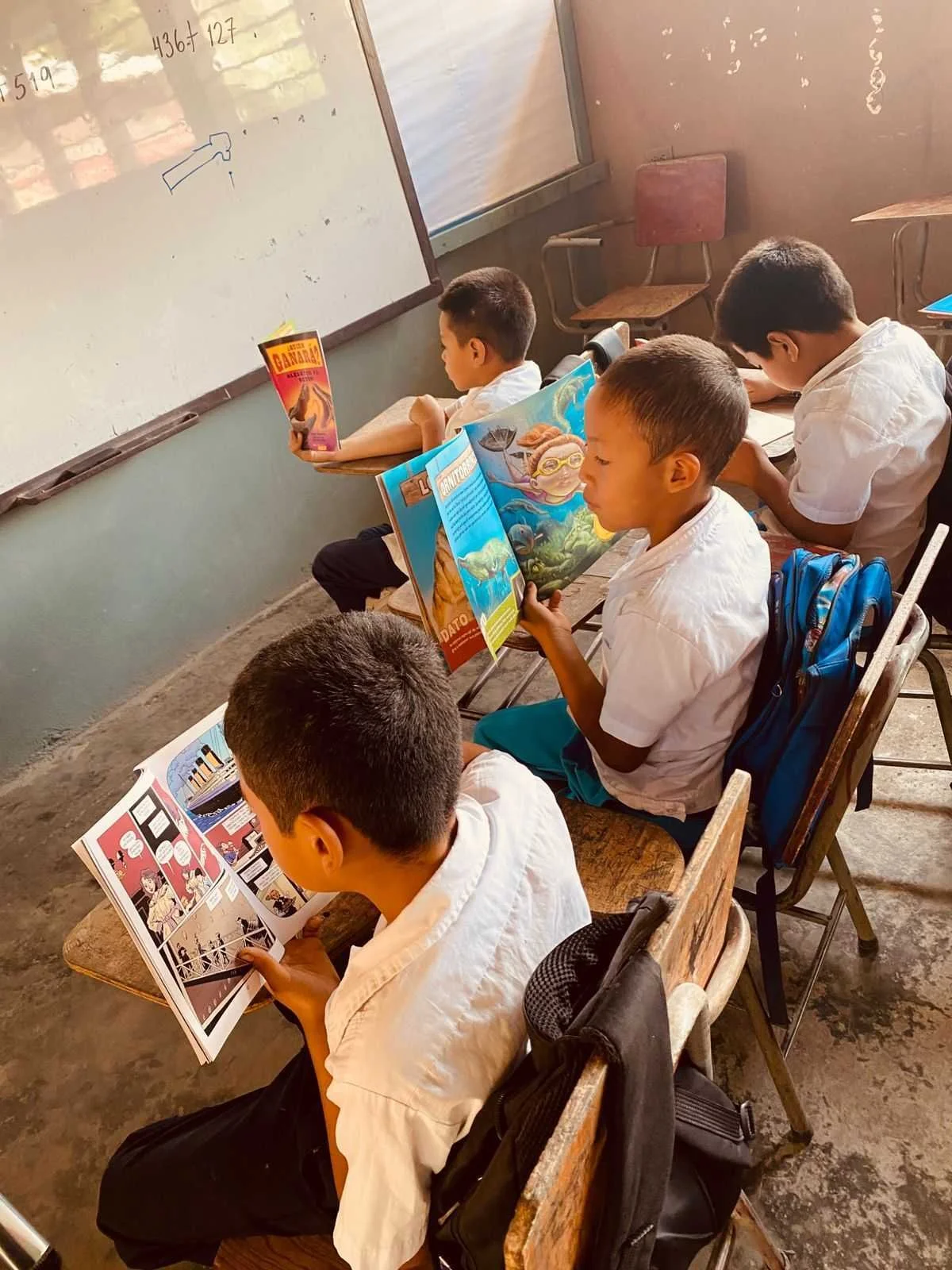
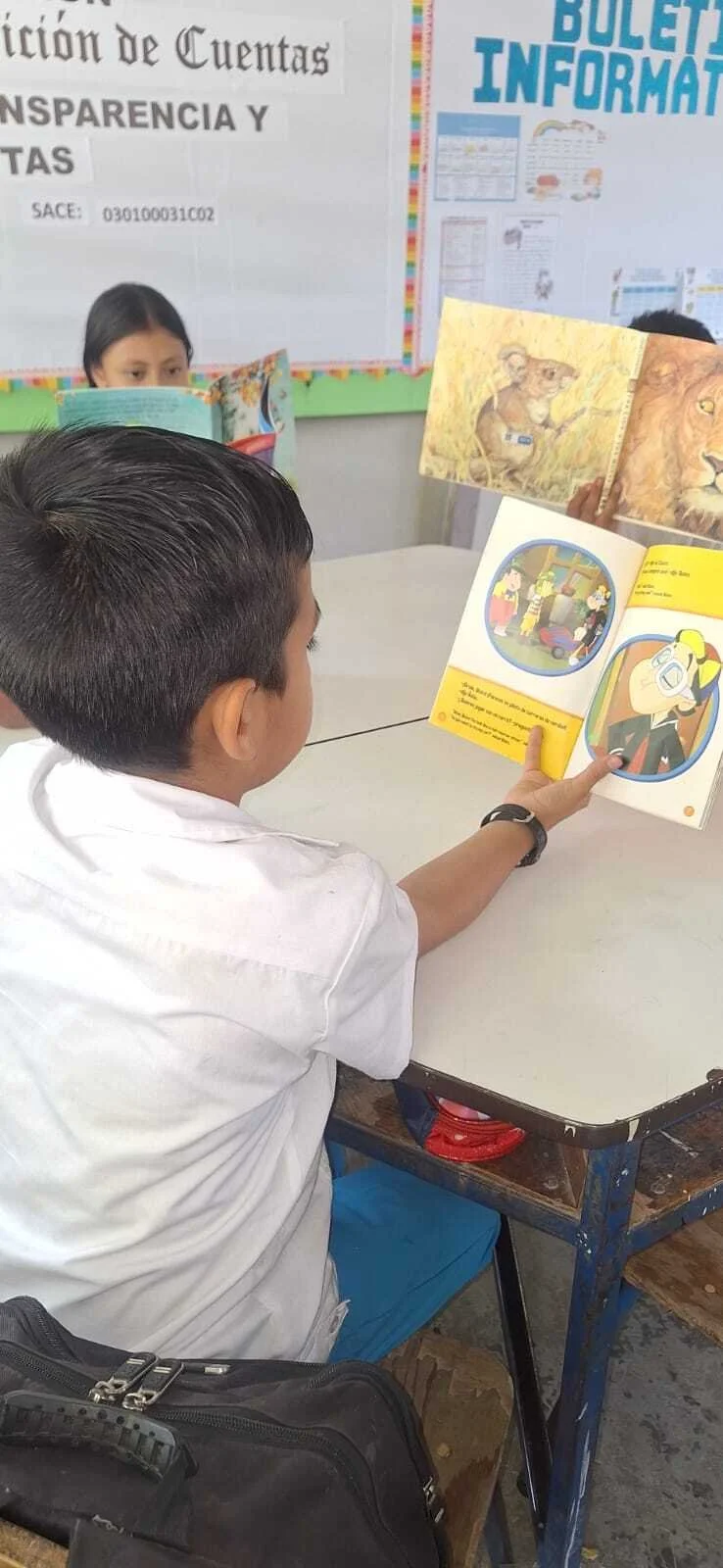
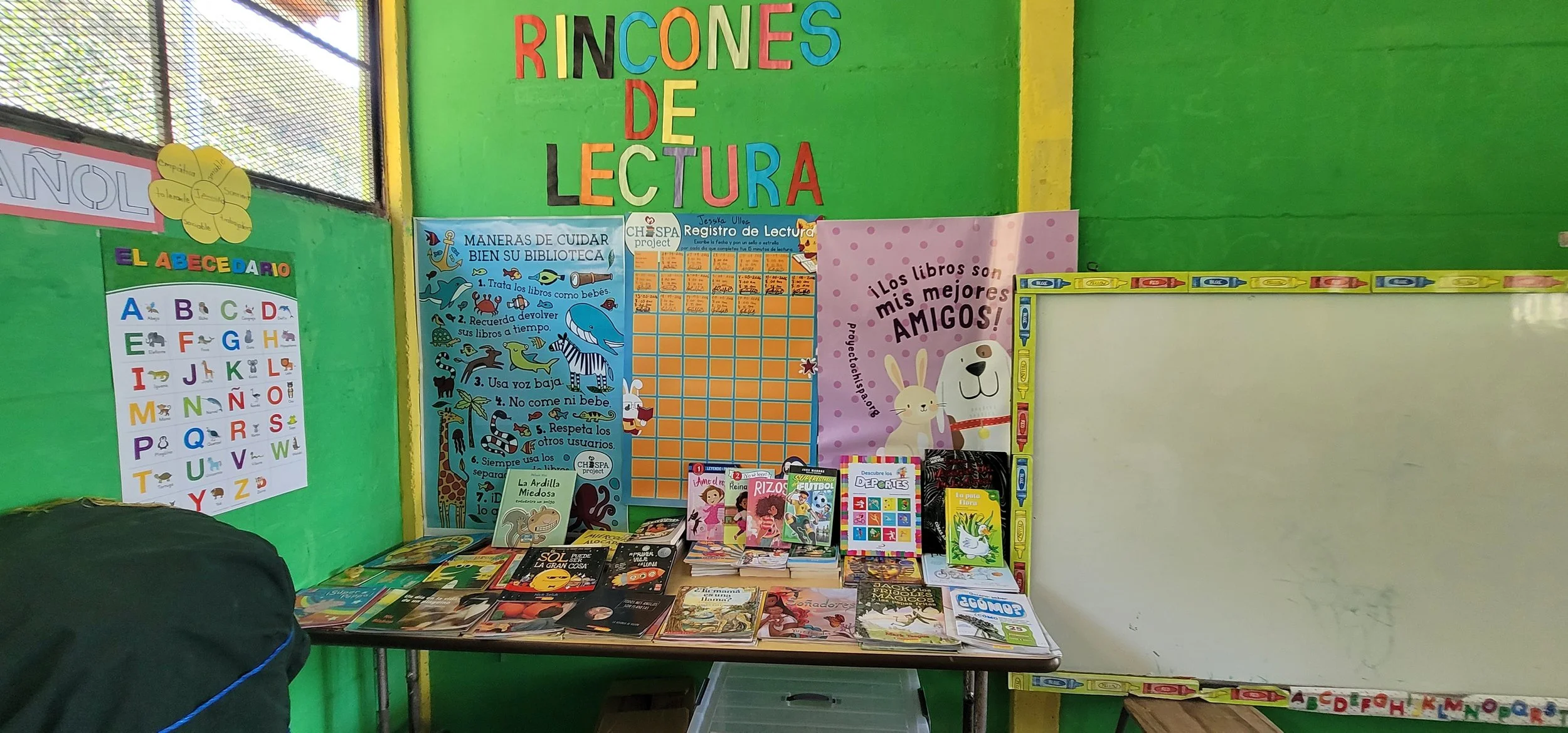
Chispa Project just launched its largest network of reading corners to date — bringing 3,700 new books to 13 schools in a single launch. The high-impact network model allows us to reach more students and teachers while adapting to the realities of rural education: small schools, spread-out communities, and limited access to books.
In a rural coffee-farming region two hours west of Comayagua, many schools have only one to three teachers responsible for multiple grade levels and very few resources to support learning. By working with several nearby schools at once, Chispa Project can make the most of our time, staff, training, and books, creating access for hundreds of students who might otherwise be left out.
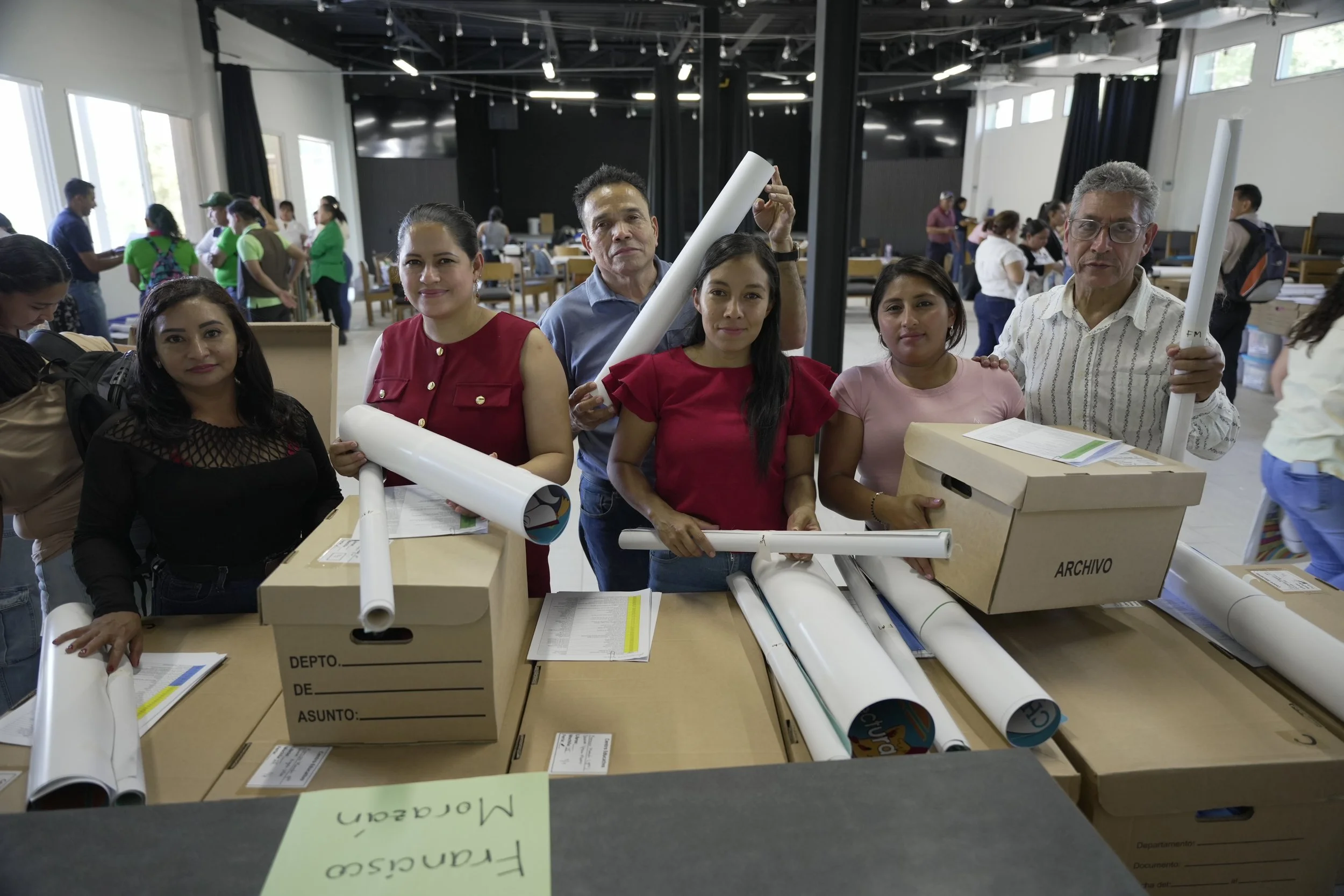
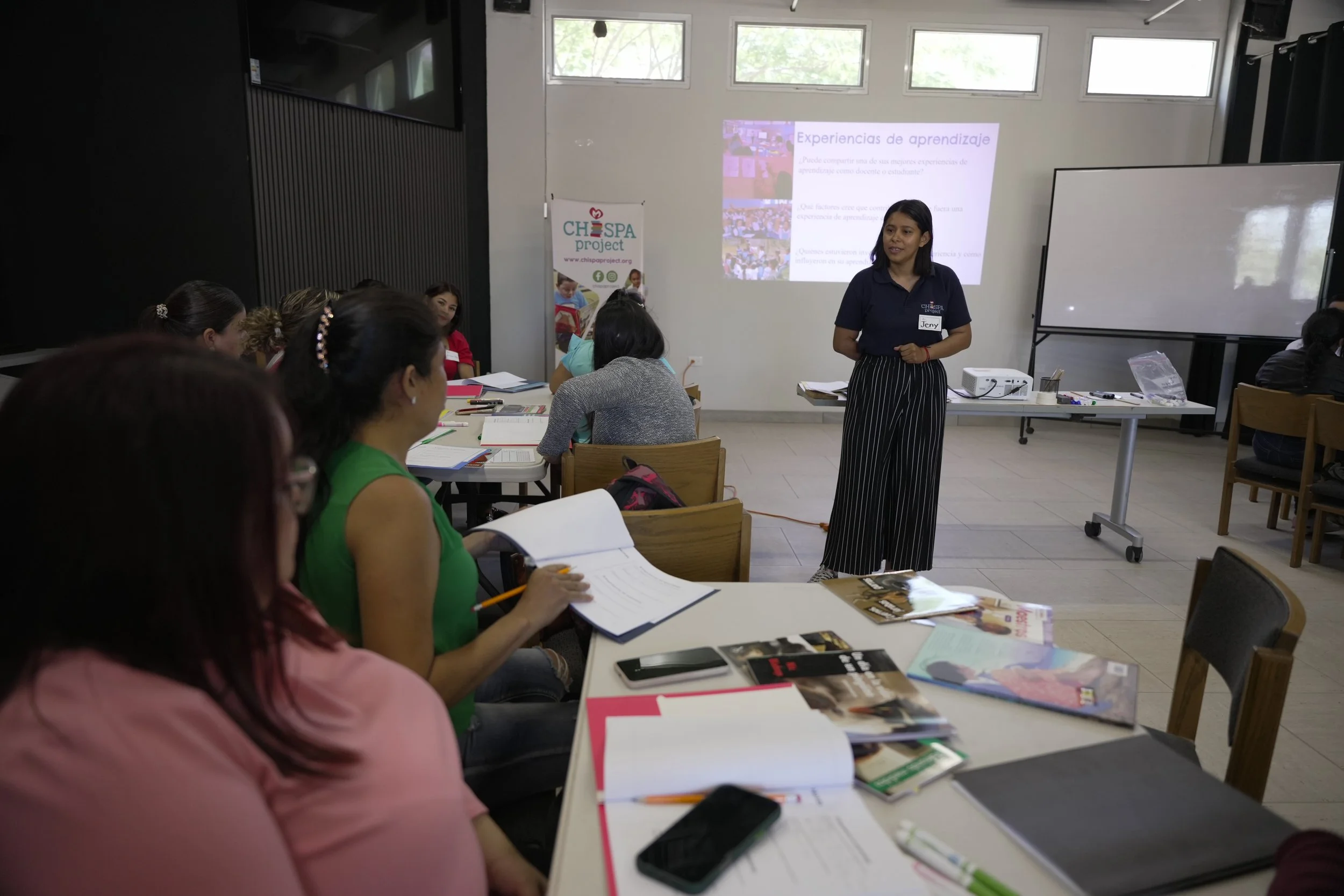
All 44 teachers from these schools received hands-on literacy training to help them turn books into daily learning — strengthening reading instruction, encouraging critical thinking, and bringing more creative, project-based learning into their classrooms.
To create their own reading corner, each teacher received:
Their classroom collection of books,
Reading logs and posters,
and classroom resources for students and teachers to facilitate reading instruction.
The teachers spoke honestly about how difficult it is to teach without books and resources in their classrooms. Many shared that, without alternatives, students spend much of their free time on phones—something they see affecting attention, curiosity, and learning and even increasing school dropout rates.
But they also shared hope.
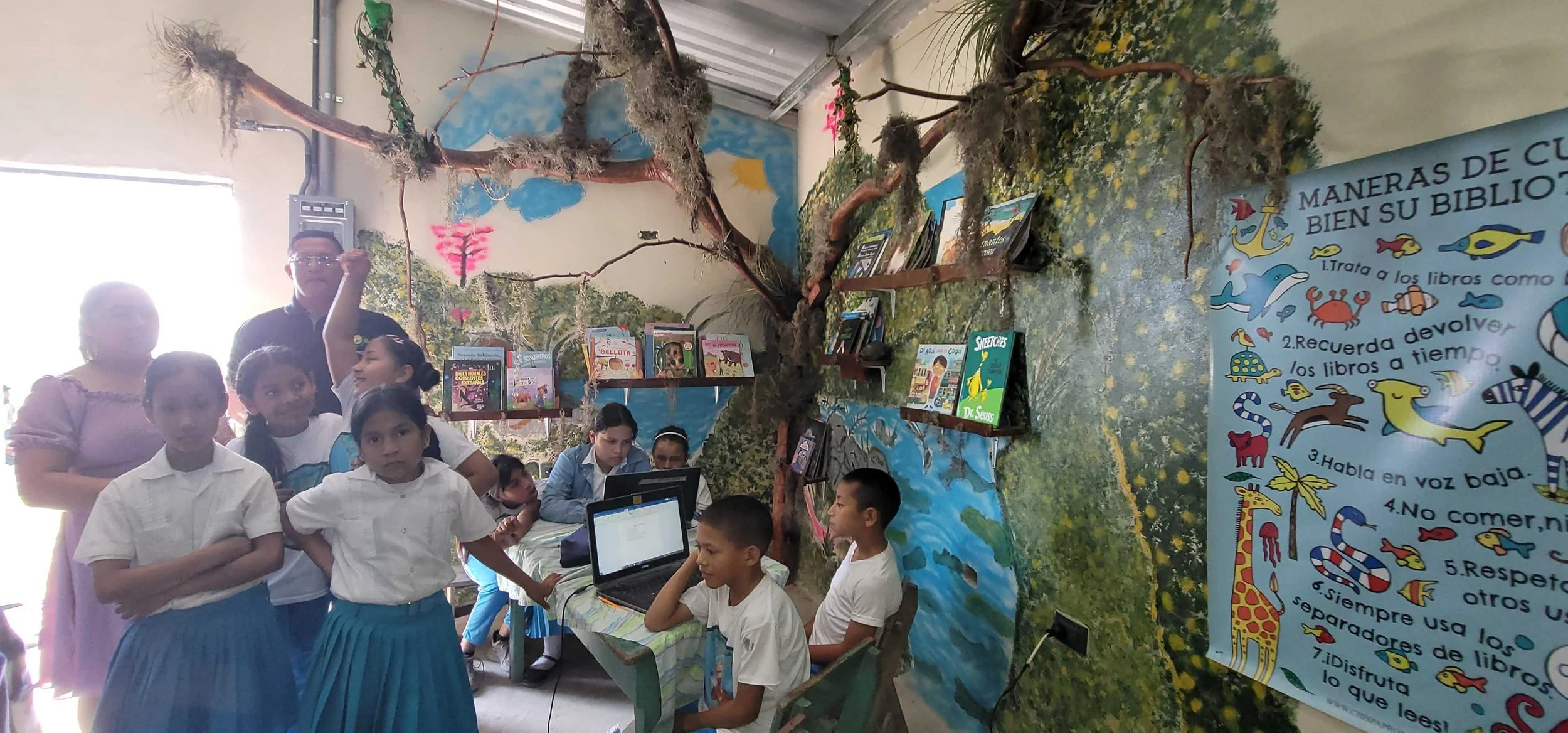
Inspired by the workshop, Profe. Fausto, a 5th/6th grade teacher at one of the schools, guided his students in building their own reading corner. Together, they painted murals, constructed shelves, and transformed the space into a jungle treehouse, learning practical skills along the way.
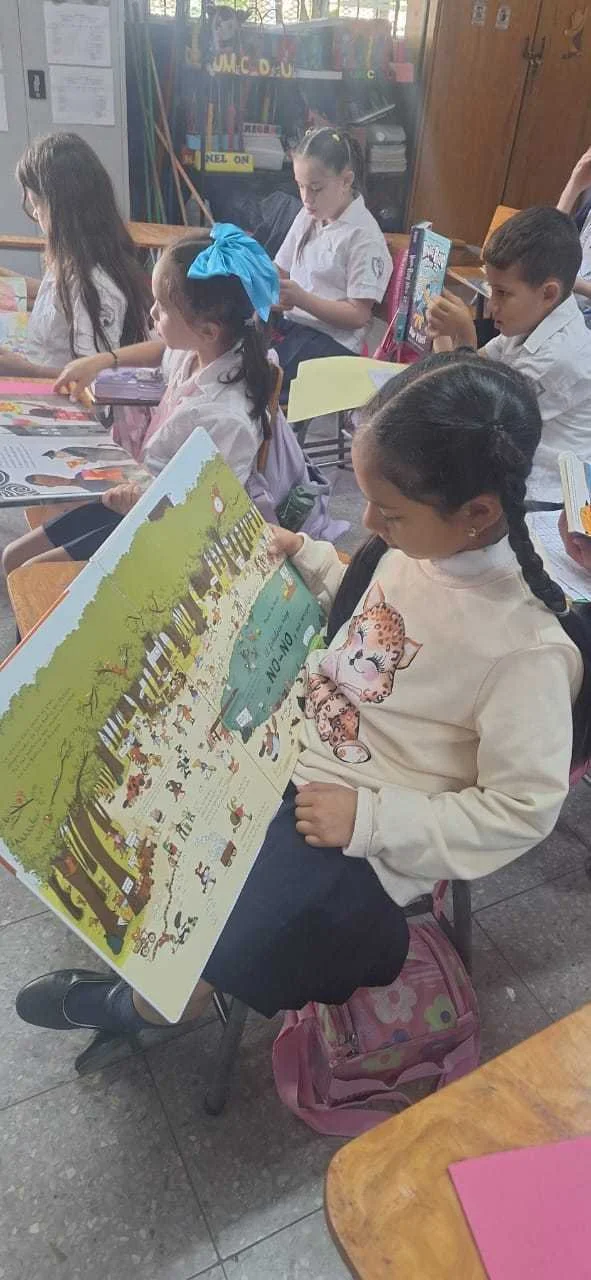
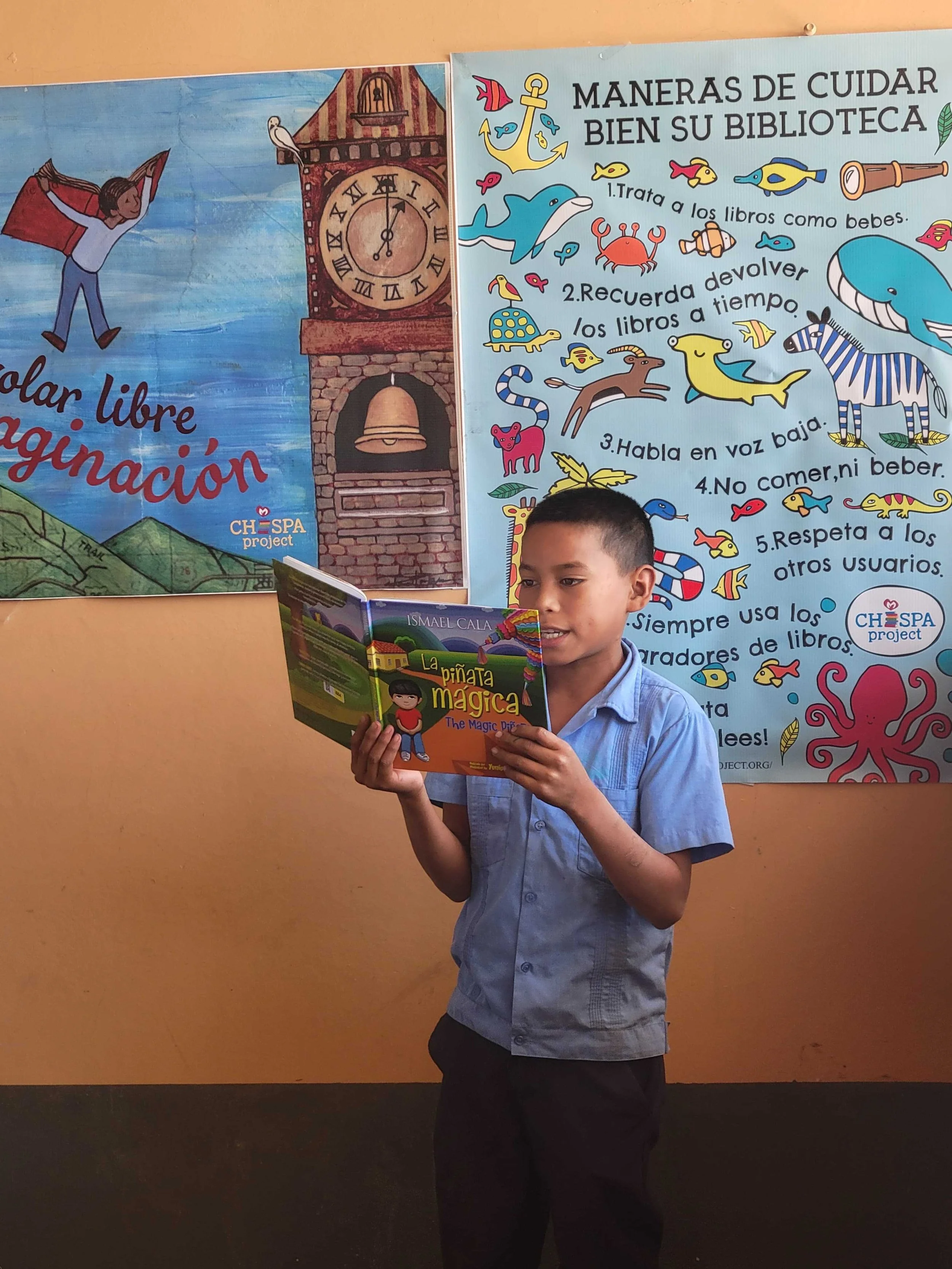
Now, those possibilities are multiplying as over 1,000 students are opening their first books!