It's Not all Rainbows, Butterflies, and Books: The Challenges Behind Building a Culture of Reading
The Hidden Work Behind the Smiles
When you scroll through our social media, you’ll see bright photos of children reading, colorful new books, and smiling teachers beside freshly installed libraries. Behind every one of those moments is a story of perseverance, teamwork, and problem-solving. At Chispa Project, installing libraries and donating books is never as simple as it looks. Each year brings new challenges that test our creativity and flexibility, but these challenges also remind us why this work matters so deeply.
Weathering the Unexpected: From Heat Waves to Rainstorms
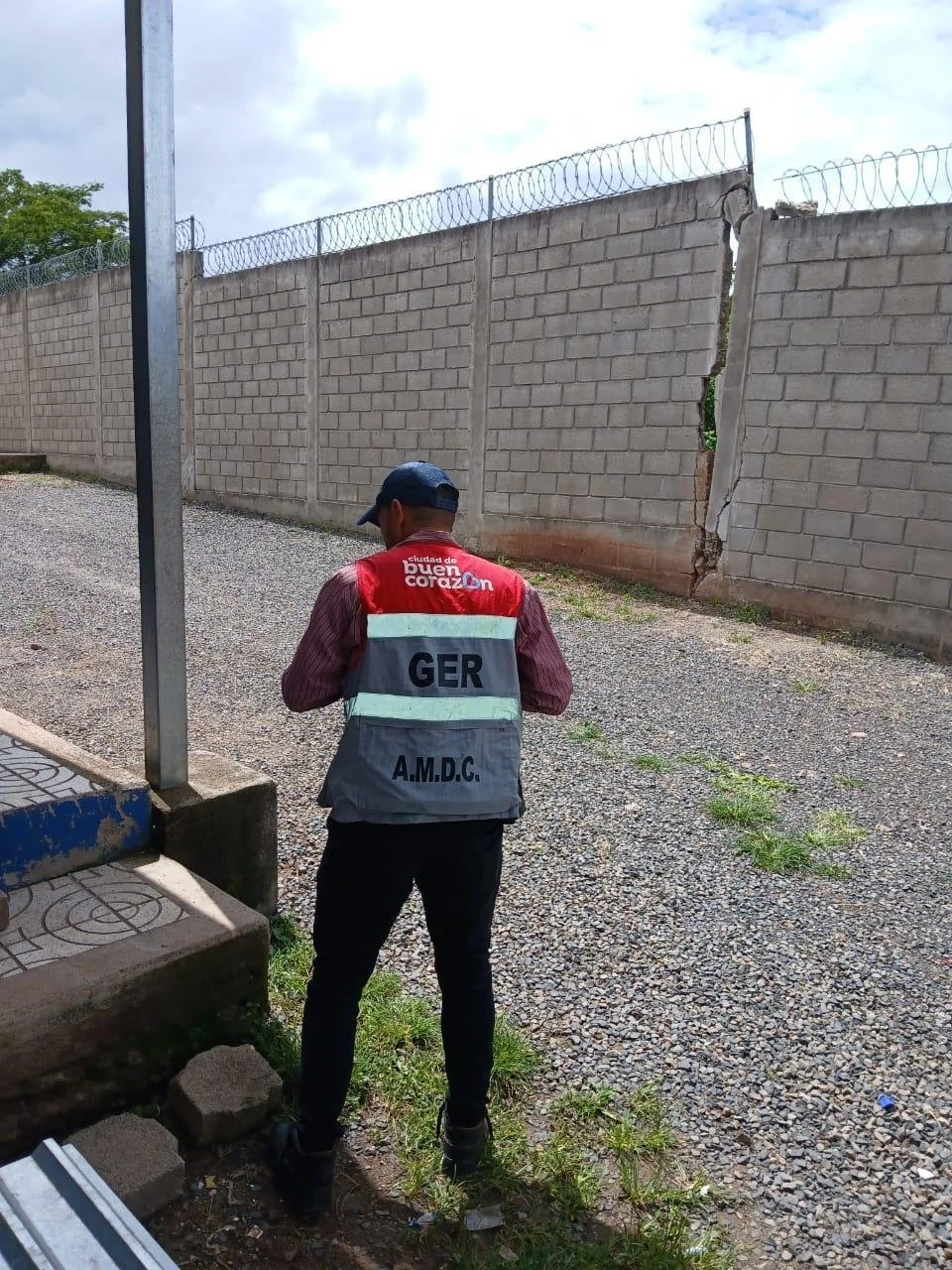
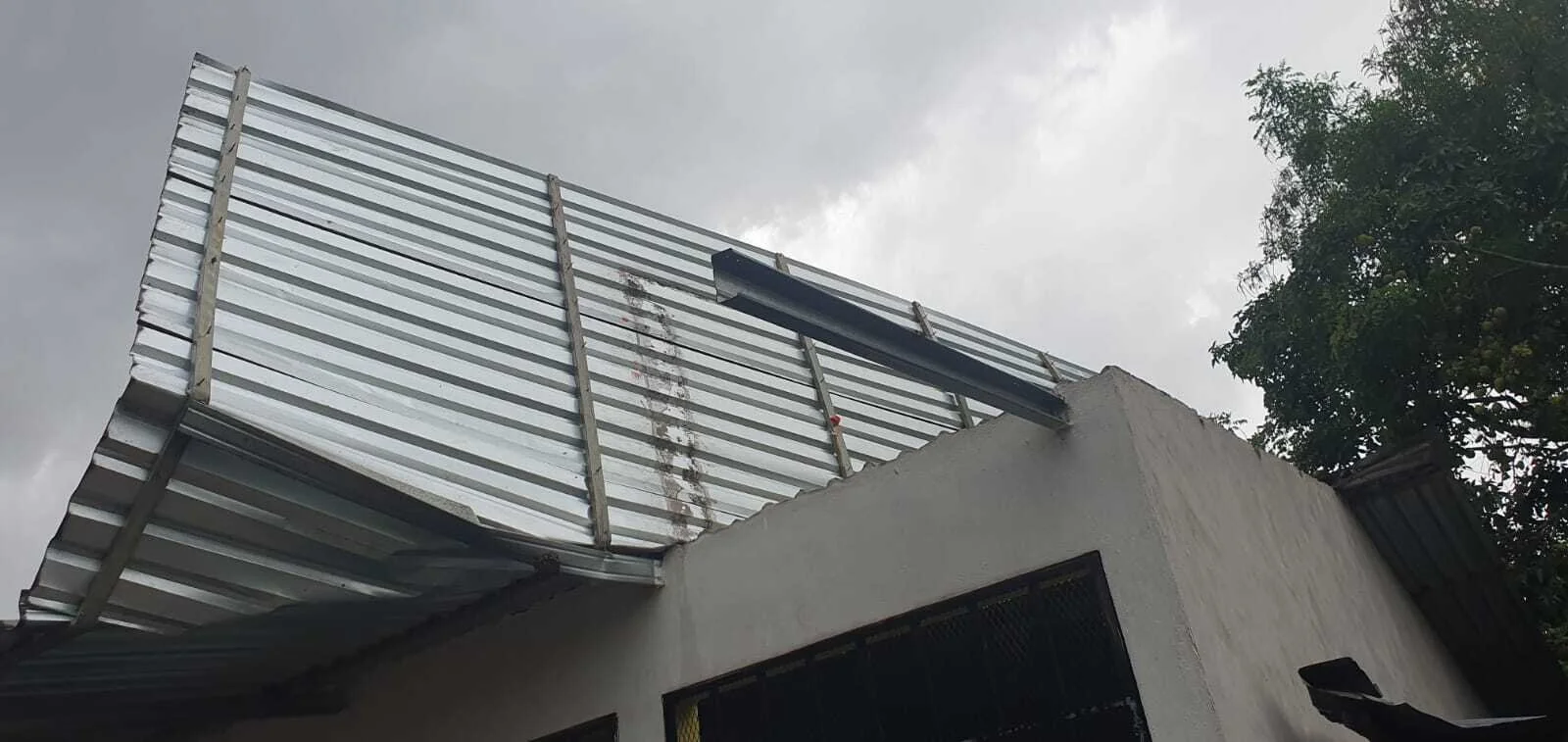
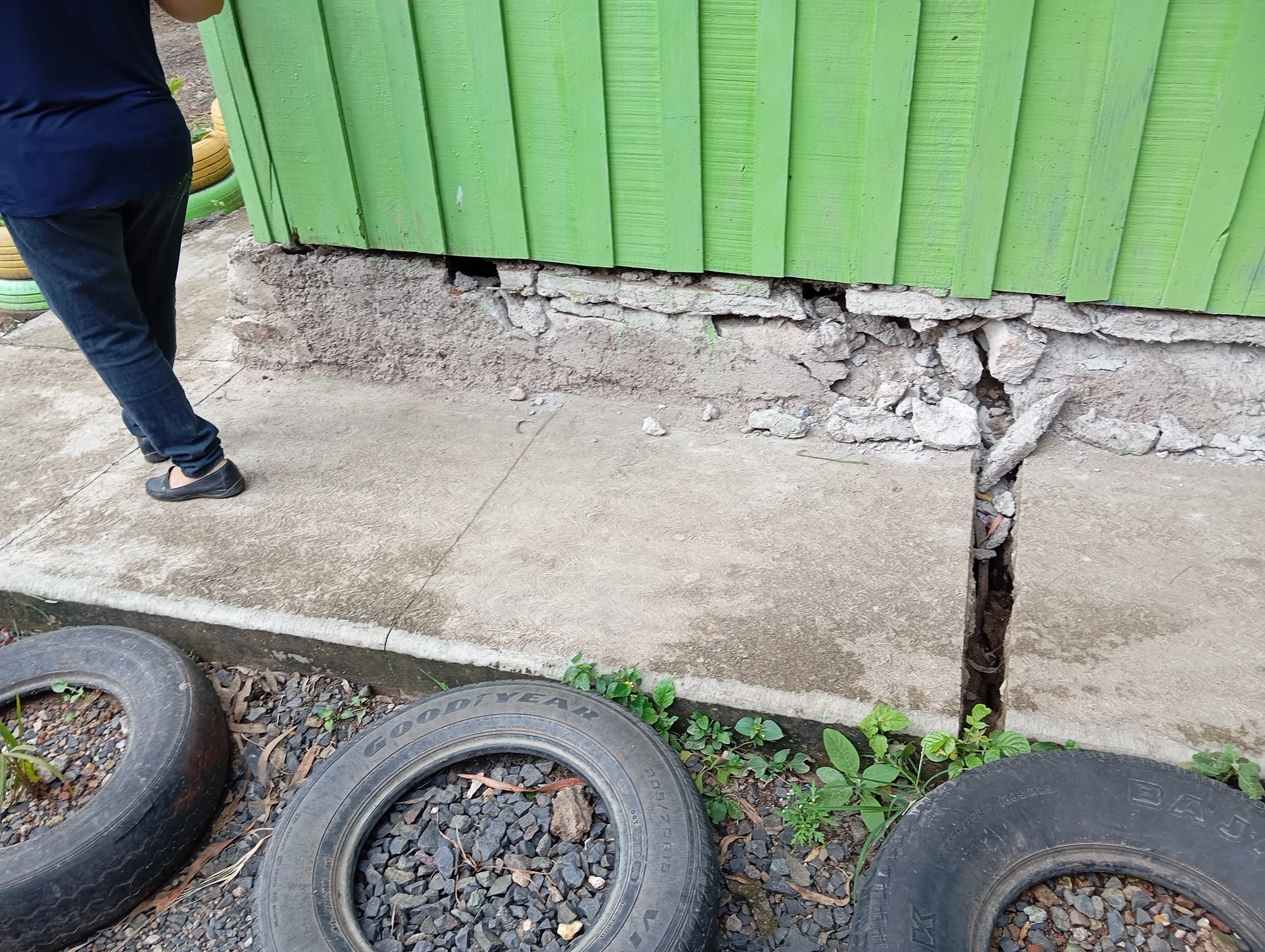
This year and in years prior, extreme weather shaped much of our work. In some communities, temperatures soared to over 100°F, even inside classrooms with air conditioning. Schools canceled days of classes, worried that students might fall ill from the heat. The rainy season also hits our communities with full force. In June, heavy rains in Copan damaged the roof of the 2nd grade classroom in one of our schools; those students had class in the library for a week while the roof was repaired! In October, roads and neighborhoods in and around Tegucigalpa flooded, large sections of roads closed due to landslides, and some of our schools were located on a geological fault which reactivated, shifting the ground and damaging walls, roads, and school infrastructure.
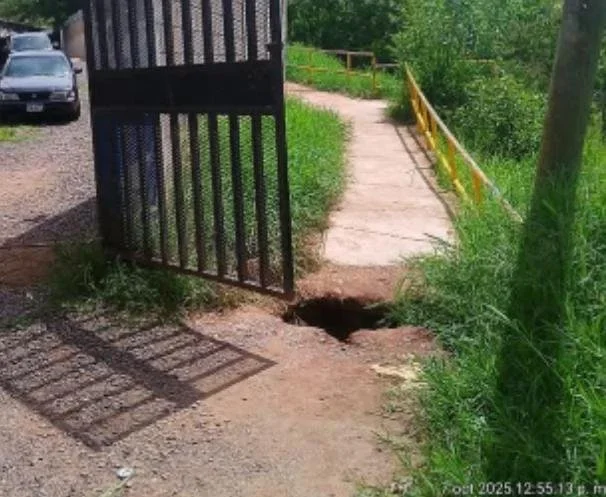
In schools like Pedro Nufio, families lost belongings to flooding, while at Latinoamericana, the faultline opened wider, creating dangerous conditions that have yet to be addressed by local authorities. For our team, every journey meant rerouting, rescheduling, and finding new ways to temporarily support our partner schools. These were moments of true partnership, where schools and Chispa came together to find solutions in the storm.
Protests, Politics, and Perseverance
Politics also shapes our work even beyond the obvious impacts on the quality of education in Honduras. In Copán, as our team was leaving a school, we found the highway blocked by a protest demanding new teachers. The community had taken control of the road, determined to make their voices heard. Our team had a long road to travel to reach another school that was a couple hours away, but instead of turning back, one of the local teachers guided us through a mountain detour to continue our work. Furthermore, 2025 is an election year, meaning schools shut down earlier than usual in November. This is because there is little trust in the election process, so there is always the risk that protests or even riots might start once the results are in. These moments remind us that progress in education is not just about books; it’s about relationships, trust, community resilience, and a truly democratic process.
Adapting to Shifting Realities in Schools
Each year, any number of health, safety, or scheduling issues arise. In 2025, a COVID outbreak forced brief returns to virtual learning in the Tegucigalpa area, which posed challenges: low access to internet and devices meant only a third of students could connect. In 2024, a Dengue outbreak shut down schools in the Lago Yojoa and Copan areas for a couple of weeks as too many kids and family members fell seriously ill due to the mosquito-borne illness.
Sometimes, other school projects interrupt the school year. One of our 2025 schools received a surprise grant to roof their outdoor auditorium, a necessary step to protect kids from the heat and sun during assemblies and P.E. classes. But, this meant the school needed to shift to virtual classes for 2 weeks while construction took place on campus.
Public school teachers also face overloaded schedules filled with evaluations and departmental training, which are usually communicated last minute and require school closures or half-days. When you add in civic holidays, parades, and celebrations in September, you realize entire weeks vanish from the academic calendar. It’s easy to see how reading time can slip away amidst all these issues. When issues like this arise, our team communicates closely with school leaders to reschedule and adapt to the shifting circumstances.
Flexibility and Relationships: The Heart of Our Work
Through it all, our guiding principle remains the same: relationships first. When roads close or classes shift online, we work side by side with principals and teachers to adjust schedules, resupply damaged classrooms, or simply check in to listen. We know that long-term success isn’t measured only in books installed; it’s measured in trust built.
Despite heat waves, rain, protests, and pandemics, teachers remind us daily that the library is a space of hope. Students keep showing their eagerness to read, explore, and dream. Their excitement keeps us motivated, proving that a culture of reading can thrive even when the world outside the library walls feels uncertain.
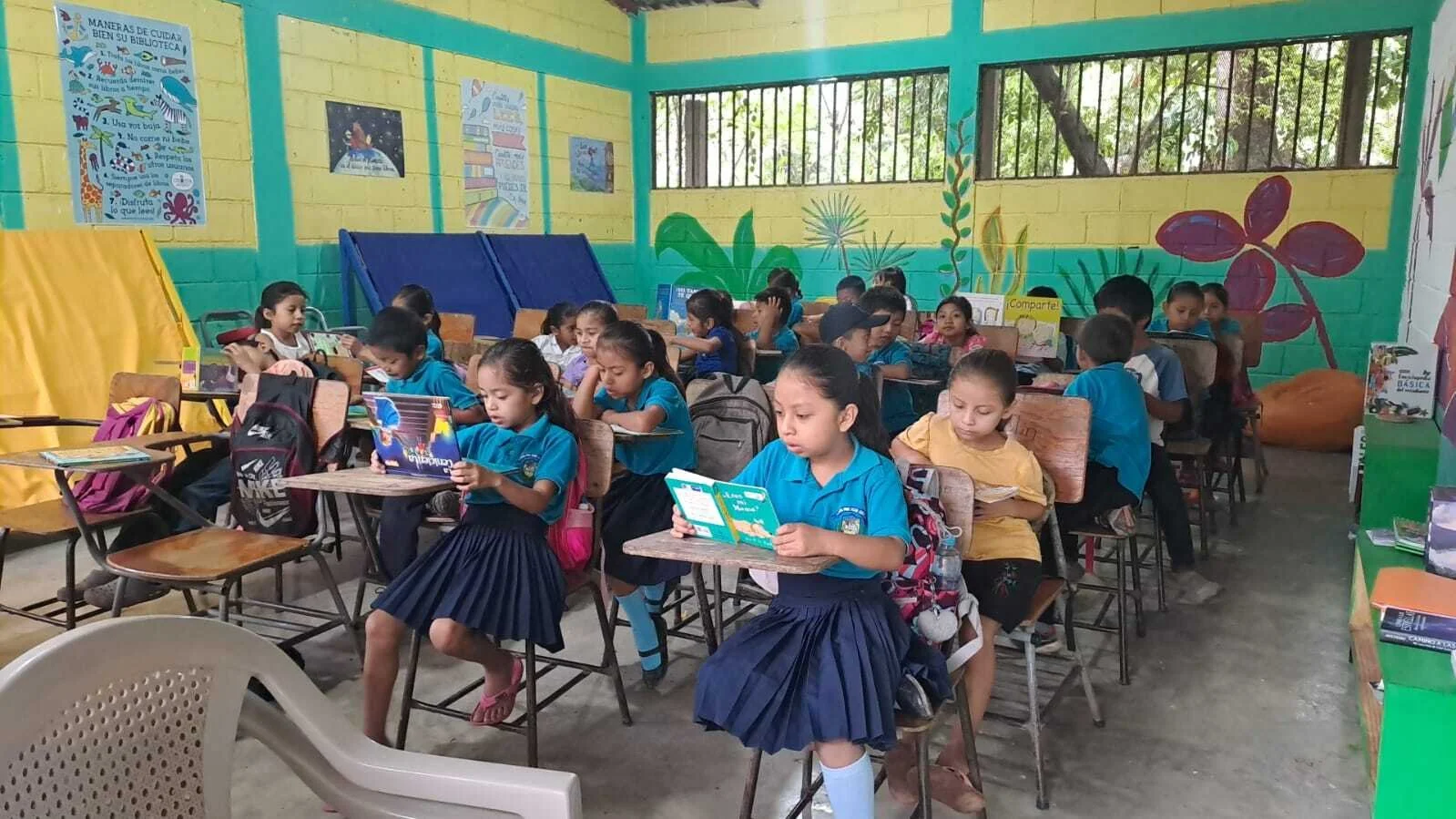
2nd graders at Cesar A. Cueva Elementary School attending class in the library while their classroom roof gets repaired.
